
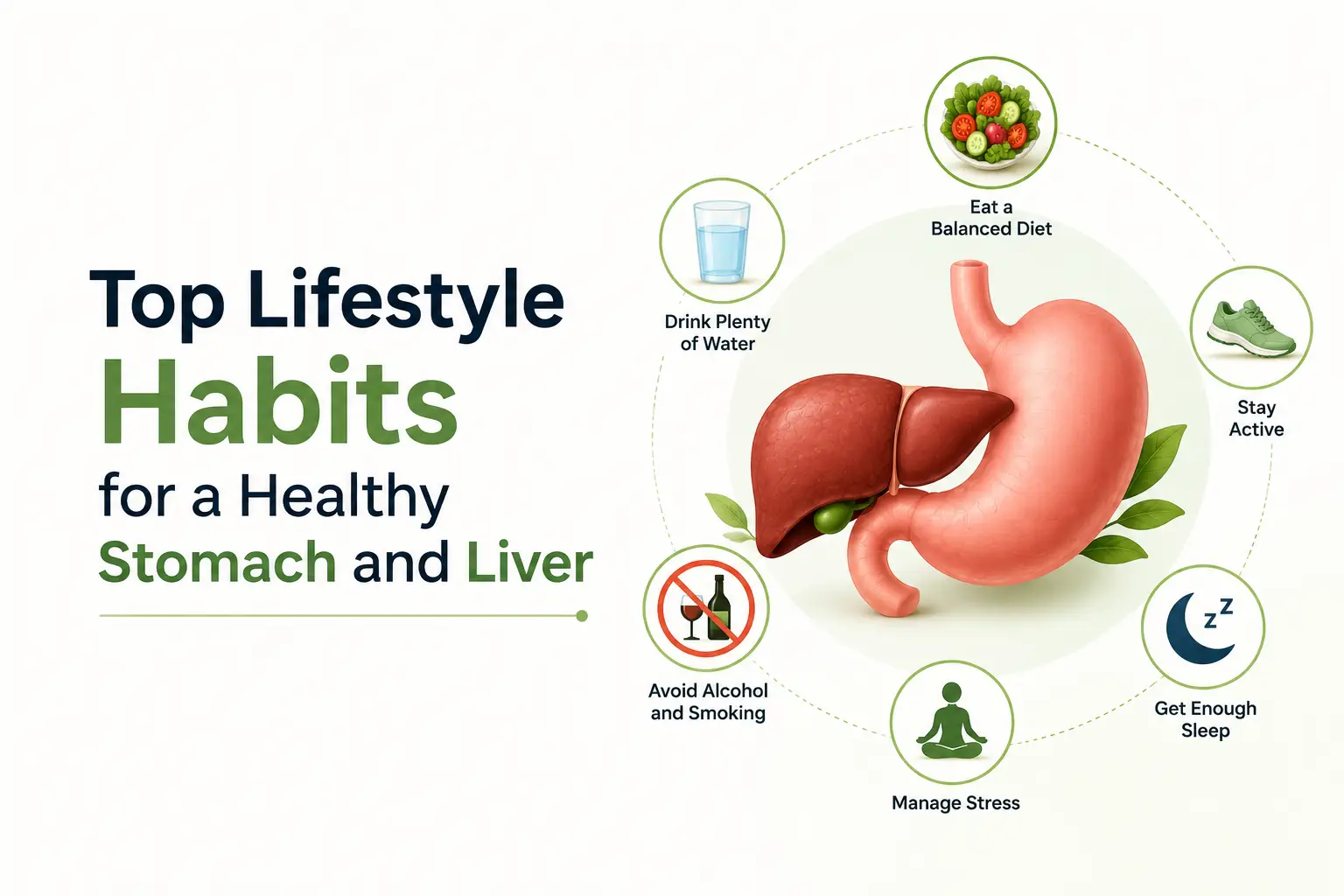
The stomach and liver are two of the most important organs in the human body. While the stomach is responsible for digesting food and absorbing nutrients, the liver performs hundreds of vital functions, including detoxification, metabolism, nutrient storage, and bile production. Modern lifestyles, unhealthy eating habits, stress, lack of exercise, and excessive consumption of processed foods have contributed to a growing number of digestive and liver-related disorders. Conditions such as acidity, indigestion, gastritis, irritable bowel syndrome (IBS), and fatty liver disease are becoming increasingly common among people of all age groups.
Maintaining a healthy stomach and liver is not only important for proper digestion but also for overall health and well-being. By adopting healthy lifestyle habits, individuals can significantly reduce the risk of developing digestive disorders and liver diseases. At Shanti Clinic & Nursing Home, patients receive expert guidance and treatment for various gastrointestinal and liver-related conditions. Whether you are looking for a stomach issues specialist in Himachal Pradesh, seeking advice from fatty liver specialists in HP, or searching for a specialist for fatty liver in Himachal Pradesh, understanding the right lifestyle habits can make a significant difference in your health.
Understanding the Importance of Stomach and Liver Health
The digestive system and liver work together to process food, absorb nutrients, and eliminate toxins from the body. When these organs function properly, the body receives the energy and nutrients it needs to perform daily activities. However, poor lifestyle choices can disrupt these functions, leading to digestive discomfort and liver damage over time.
The liver plays a particularly crucial role in filtering harmful substances from the bloodstream. Excessive consumption of unhealthy foods, alcohol, sugary beverages, and sedentary habits can cause fat accumulation in the liver, resulting in fatty liver disease. Similarly, irregular eating patterns and poor dietary choices can lead to chronic stomach problems.
Fortunately, many digestive and liver conditions can be prevented or managed through simple lifestyle modifications.
1. Follow a Balanced and Nutrient-Rich Diet
A healthy diet is the foundation of good stomach and liver health. The foods you consume directly impact digestion, liver function, and overall wellness. Incorporating fresh fruits, vegetables, whole grains, lean proteins, and healthy fats into your daily meals provides essential nutrients that support both organs.
Fiber-rich foods help maintain regular bowel movements and support digestive health. Green leafy vegetables, berries, apples, carrots, and legumes contain antioxidants that protect liver cells from damage. Whole grains such as oats, brown rice, and quinoa help regulate blood sugar levels and reduce fat accumulation in the liver.
Limiting processed foods, refined carbohydrates, fried foods, and sugary snacks can significantly reduce the burden on the digestive system and liver. A balanced diet not only improves digestion but also supports healthy liver function over the long term.
2. Stay Properly Hydrated Throughout the Day
Water plays a critical role in digestion and detoxification. Proper hydration helps break down food, absorb nutrients, and remove waste products from the body. It also supports liver function by assisting in the elimination of toxins.
Drinking sufficient water throughout the day can prevent constipation, reduce bloating, and promote healthy digestion. Most adults should aim for at least 8 to 10 glasses of water daily, although individual requirements may vary depending on age, activity level, and climate conditions.
Replacing sugary beverages with water, herbal teas, or natural fruit-infused water can further support stomach and liver health.
3. Maintain a Healthy Body Weight
Obesity is one of the leading risk factors for fatty liver disease. Excess body weight, particularly around the abdomen, increases the likelihood of fat accumulation in liver cells. This can eventually lead to inflammation, liver damage, and serious complications.
Maintaining a healthy weight through proper nutrition and regular physical activity can significantly reduce the risk of fatty liver disease. Even modest weight loss can improve liver health and reduce fat deposits in the liver.
Patients consulting fatty liver specialists in HP are often advised to focus on gradual and sustainable weight management strategies rather than extreme dieting.
4. Exercise Regularly
Regular physical activity is essential for both digestive and liver health. Exercise improves metabolism, promotes healthy circulation, and helps regulate body weight. It also enhances insulin sensitivity, reducing the risk of fat accumulation in the liver.
Activities such as brisk walking, cycling, swimming, yoga, and strength training can all contribute to improved health outcomes. Experts recommend at least 150 minutes of moderate-intensity exercise each week.
Exercise also helps reduce stress levels, which can positively affect digestive function and prevent stomach-related problems such as indigestion and acid reflux.
5. Avoid Excessive Alcohol Consumption
Alcohol is one of the most common causes of liver damage worldwide. Excessive alcohol intake can lead to fatty liver, hepatitis, fibrosis, and cirrhosis. Even moderate drinking over long periods may negatively impact liver health in susceptible individuals.
Reducing or eliminating alcohol consumption can significantly improve liver function and reduce the risk of liver disease. Individuals already diagnosed with fatty liver disease should consult a specialist for fatty liver in Himachal Pradesh to receive personalized guidance regarding alcohol intake and liver care.
6. Eat Meals at Regular Intervals
Irregular eating habits can disrupt digestive processes and increase the likelihood of stomach discomfort. Skipping meals, overeating, or eating late at night may contribute to acidity, bloating, and indigestion.
Establishing consistent meal timings helps regulate digestive enzymes and promotes efficient digestion. Eating smaller, balanced meals throughout the day can reduce strain on the stomach and improve nutrient absorption.
It is also beneficial to eat slowly and chew food thoroughly, allowing the digestive system to process food more effectively.
When Should You See a Specialist?
You should seek medical attention if you experience:
- Persistent abdominal pain
- Frequent acidity or heartburn
- Unexplained weight loss
- Chronic constipation or diarrhea
- Jaundice
- Fatigue and weakness
- Loss of appetite
- Swelling in the abdomen
Prompt evaluation by a stomach issues specialist in Himachal Pradesh or a specialist for fatty liver in Himachal Pradesh can help prevent complications and improve treatment outcomes.