
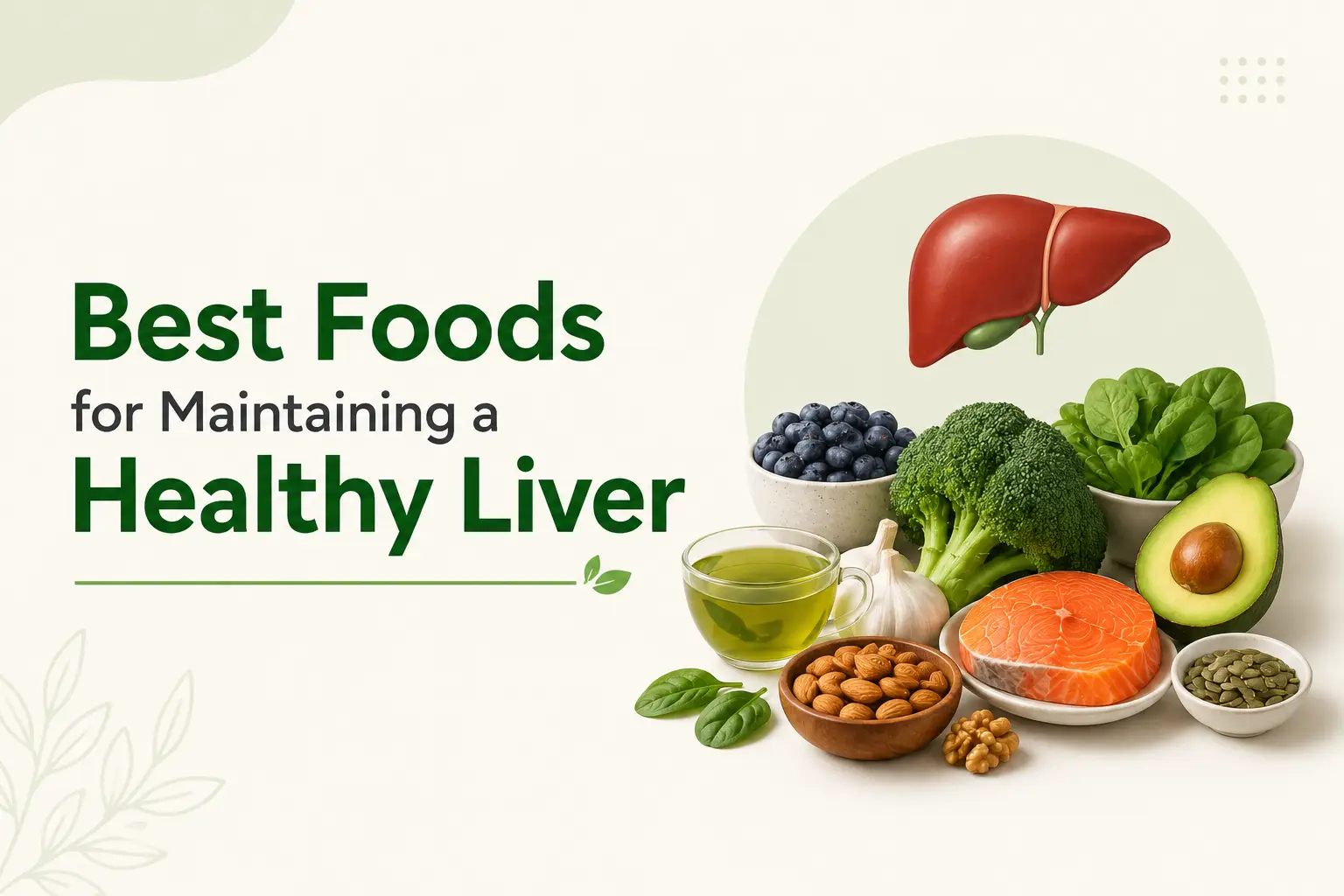
The liver is one of the most important organs in the human body. It performs hundreds of vital functions, including filtering toxins from the blood, producing bile for digestion, storing nutrients, regulating metabolism, and supporting overall health. Despite its remarkable ability to regenerate, the liver can become damaged due to unhealthy eating habits, excessive alcohol consumption, obesity, infections, and certain medications.
In recent years, fatty liver disease has become increasingly common, affecting millions of people worldwide. Many individuals do not realize they have liver problems until the condition progresses. Fortunately, maintaining a healthy lifestyle and following a healthy liver diet can significantly improve liver function and prevent serious complications.
At Shanti Clinic & Nursing Home, our experienced liver care specialist team emphasizes the importance of proper nutrition in maintaining liver health. Whether you have been diagnosed with fatty liver disease or simply want to keep your liver functioning optimally, understanding which foods support liver health is essential.
Why Liver Health Matters
The liver acts as the body’s natural detoxification system. Every day, it processes nutrients, breaks down harmful substances, and helps maintain overall balance within the body. When the liver becomes overloaded with fat or toxins, its ability to function effectively decreases.
Poor liver health can lead to symptoms such as:
- Fatigue and weakness
- Abdominal discomfort
- Unexplained weight gain
- Digestive issues
- Yellowing of the skin and eyes (jaundice)
- Swelling in the abdomen and legs
Following a nutritious diet and seeking guidance from a specialist for fatty liver in Himachal Pradesh can help prevent liver-related complications and improve long-term health.
Understanding Fatty Liver Disease
Fatty liver disease occurs when excess fat accumulates in liver cells. There are two main types:
Non-Alcoholic Fatty Liver Disease (NAFLD)
This condition occurs in people who consume little or no alcohol. It is commonly associated with obesity, diabetes, high cholesterol, and poor dietary habits.
Alcoholic Fatty Liver Disease
This develops due to excessive alcohol consumption, which damages liver cells and impairs liver function.
In both cases, dietary modifications play a crucial role in reducing liver fat and improving overall liver health.
The Role of Diet in Liver Health
A balanced healthy liver diet provides essential nutrients while reducing the burden on the liver. Certain foods contain antioxidants, vitamins, minerals, and anti-inflammatory compounds that support liver repair and detoxification.
Choosing the right foods can help:
- Reduce liver inflammation
- Lower fat accumulation in the liver
- Improve metabolism
- Support detoxification
- Maintain healthy body weight
- Enhance overall well-being
Let’s explore the best foods for maintaining a healthy liver.
1. Leafy Green Vegetables
Leafy greens such as spinach, kale, fenugreek leaves, mustard greens, and lettuce are rich in antioxidants and chlorophyll. These compounds help neutralize toxins and support the liver’s natural cleansing processes.
Green vegetables are also low in calories and high in fiber, making them excellent choices for individuals with fatty liver disease.
Regular consumption of leafy greens can help reduce fat accumulation in the liver while improving digestive health.
2. Fatty Fish
Fatty fish such as salmon, sardines, mackerel, and tuna are rich sources of omega-3 fatty acids. These healthy fats help reduce inflammation and improve liver enzyme levels.
Research suggests that omega-3 fatty acids may help decrease liver fat in people with fatty liver disease.
Including fish in your diet two to three times per week can significantly contribute to better liver health.
3. Garlic
Garlic contains sulfur compounds that activate liver enzymes responsible for removing toxins from the body. It also contains selenium and allicin, both of which support liver protection.
Studies have shown that garlic may help reduce body weight and liver fat in individuals with fatty liver disease.
Adding fresh garlic to daily meals is a simple and effective way to support liver function naturally.
4. Coffee
Surprisingly, moderate coffee consumption has been linked to improved liver health. Coffee contains antioxidants and compounds that help reduce liver inflammation.
Research indicates that drinking coffee regularly may lower the risk of liver fibrosis, cirrhosis, and liver cancer.
Many liver care specialist professionals recommend moderate coffee intake as part of a liver-friendly lifestyle.
5. Berries
Blueberries, strawberries, raspberries, and blackberries are packed with antioxidants called anthocyanins. These compounds help protect liver cells from oxidative stress and inflammation.
Berries also support immune function and contribute to overall health.
Including a variety of berries in your diet can provide powerful protection against liver damage.
Foods to Avoid for Better Liver Health
While certain foods support liver function, others can contribute to liver damage and fat accumulation.
Avoid or limit:
- Sugary beverages
- Processed foods
- Fast food
- Excessive alcohol
- Refined carbohydrates
- Fried foods
- Excessive salt
- High-fat packaged snacks
Reducing these foods is often one of the first recommendations provided by a specialist for fatty liver in Himachal Pradesh.