
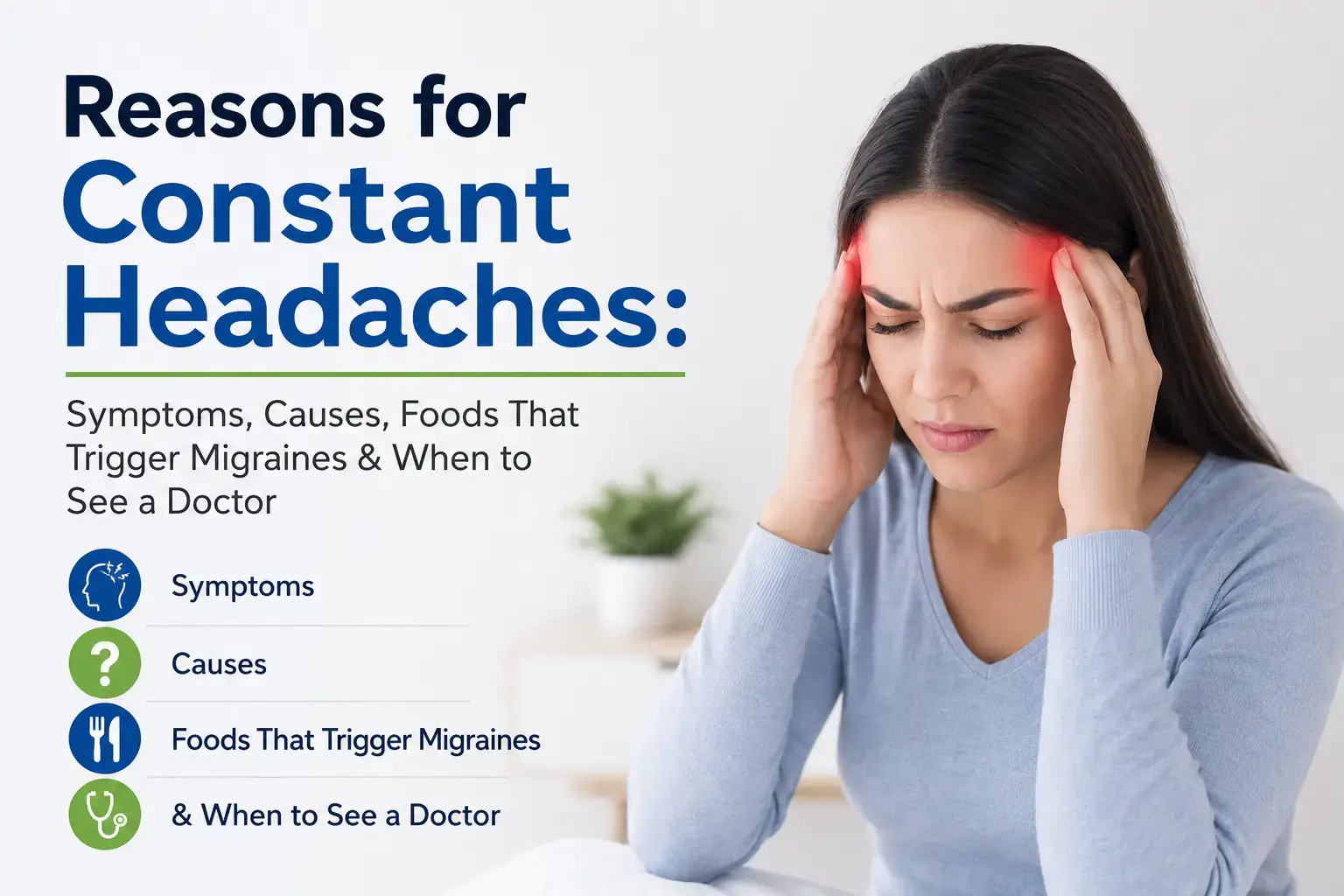
Reasons for Constant Headaches: Symptoms, Causes, Foods That Trigger Migraines & When to See a Doctor

Headaches are one of the most common health concerns affecting people of all ages. While occasional headaches are usually harmless, headaches that occur repeatedly or become more severe may indicate an underlying medical condition that requires attention. Understanding the reasons for constant headaches, recognizing the symptoms of headache, and identifying the foods that trigger migraine headaches can help you manage your condition effectively and seek treatment before it worsens.

At Shanti Clinic & Nursing Home, Rohru, our experienced medical team provides comprehensive diagnosis and personalized treatment for different types of headaches, including migraines, tension headaches, sinus headaches, and headaches caused by other medical conditions. Early diagnosis and proper treatment can significantly improve your quality of life.

Why Do Constant Headaches Occur?

A headache is not a disease itself but a symptom of another condition. Constant or frequent headaches may result from lifestyle habits, stress, medical conditions, or neurological disorders.

If you experience headaches several times a week or every day, it is important to consult a doctor to determine the exact cause.

Common Reasons for Constant Headaches
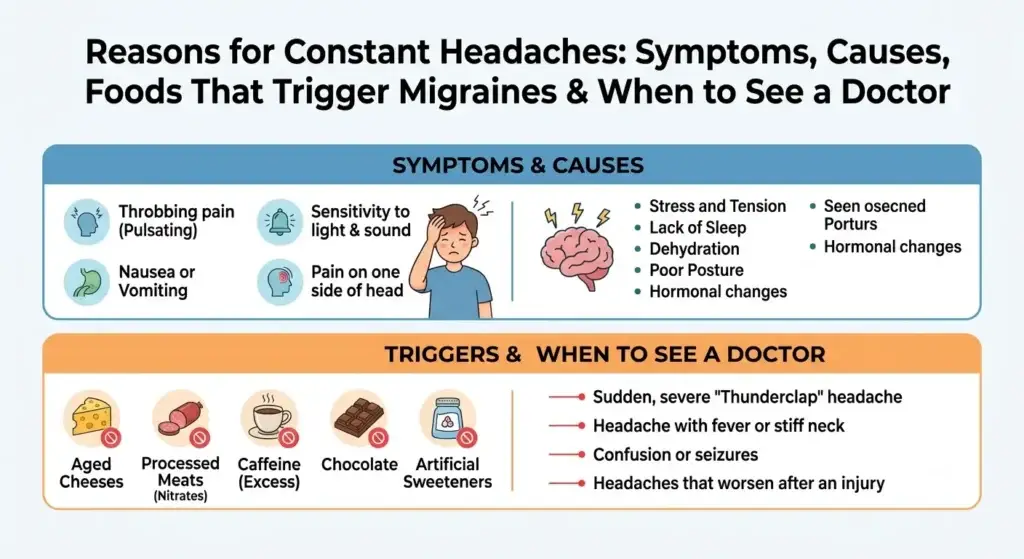
Common Reasons for Constant Headaches

1. Stress and Anxiety

One of the leading reasons for frequent headaches is chronic stress. Emotional stress causes muscle tension around the neck, shoulders, and scalp, leading to tension headaches.

Symptoms include:


    • Tight pressure around the head

    • Neck stiffness

    • Pain behind the eyes

    • Difficulty concentrating

Managing stress through exercise, adequate sleep, meditation, and relaxation techniques can reduce headache frequency.

2. Migraine

Migraines are severe neurological headaches that often affect one side of the head and may last from several hours to several days.

Common migraine symptoms include:


    • Throbbing pain

    • Sensitivity to light

    • Sensitivity to sound

    • Nausea

    • Vomiting

    • Blurred vision

Many people experience migraines due to hormonal changes, certain foods, lack of sleep, or stress.

3. Poor Sleep

Sleep deprivation is among the most common causes of regular headaches.

Poor sleep may result from:


    • Irregular sleep schedule

    • Sleep apnea

    • Stress

    • Excessive screen time before bed

Adults should aim for 7–9 hours of quality sleep each night.

4. Dehydration

Not drinking enough water can quickly lead to headaches because the brain temporarily contracts due to fluid loss.

Signs include:


    • Dry mouth

    • Fatigue

    • Dizziness

    • Reduced concentration

Drink sufficient water throughout the day, especially during hot weather.

5. High Blood Pressure

Uncontrolled blood pressure can sometimes cause persistent headaches, particularly if blood pressure rises suddenly.

Regular blood pressure monitoring is essential, especially for adults over 40 or those with a family history of hypertension.

6. Eye Strain

Spending long hours looking at computers, mobile phones, or reading without breaks can strain the eyes and trigger headaches.

Simple measures include:


    • Following the 20-20-20 rule

    • Wearing prescribed glasses

    • Adjusting screen brightness

7. Sinus Infection

Blocked sinuses due to allergies or infections may cause headaches around the forehead, cheeks, and eyes.

Other symptoms include:


    • Nasal congestion

    • Fever

    • Facial pressure

    • Thick nasal discharge

8. Medication Overuse

Taking painkillers too frequently may actually increase headache frequency, a condition known as medication-overuse headache.

Always follow your doctor’s advice regarding medication use.

Symptoms of Headache You Should Never Ignore

While mild headaches usually resolve on their own, some symptoms require immediate medical attention.

Common symptoms of headache include:


    • Persistent pain

    • Throbbing sensation

    • Pressure around the head

    • Neck stiffness

    • Nausea

    • Vomiting

    • Blurred vision

    • Sensitivity to light

    • Sensitivity to sound

    • Dizziness

    • Difficulty concentrating

Seek emergency medical care if you experience:


    • Sudden, severe headache (“thunderclap” headache)

    • Headache after a head injury

    • Weakness or numbness

    • Difficulty speaking

    • Confusion

    • Seizures

    • High fever with stiff neck

    • Vision loss

These symptoms may indicate serious conditions such as stroke, meningitis, or brain hemorrhage.

Foods That Trigger Migraine Headaches

Diet plays an important role in migraine management. While triggers vary from person to person, some foods are commonly associated with migraine attacks.

Common foods that trigger migraine headaches include:

    • Aged cheese

    • Chocolate

    • Processed meats

    • Foods containing monosodium glutamate (MSG)

    • Artificial sweeteners

    • Alcohol

    • Excessive caffeine

    • Energy drinks

    • Fermented foods

    • Pickled foods

Skipping meals or fasting can also trigger headaches in some people.

Keeping a food diary may help identify your personal triggers.

Foods That May Help Prevent Headaches

A balanced diet supports overall health and may reduce headache frequency.

Include:

    • Fresh fruits

    • Green leafy vegetables

    • Whole grains

    • Yogurt

    • Fish rich in omega-3 fatty acids (if non-vegetarian)

    • Plenty of water

Avoid excessive processed foods and sugary beverages.

Other Causes of Regular Headaches

Additional causes of regular headaches include:

    • Hormonal changes

    • Thyroid disorders

    • Vitamin deficiencies

    • Poor posture

    • Neck muscle strain

    • Ear infections

    • Dental problems

    • Chronic stress

    • Depression

    • Anxiety disorders

A detailed medical evaluation helps identify the exact cause.

Risk Factors

You may have a higher risk of frequent headaches if you:

    • Have a family history of migraines

    • Experience chronic stress

    • Sleep poorly

    • Are overweight

    • Smoke

    • Consume excessive alcohol

    • Frequently skip meals

    • Spend long hours using digital devices

How Doctors Diagnose Frequent Headaches

At Shanti Clinic & Nursing Home, the evaluation may include:

    • Medical history

    • Physical examination

    • Blood pressure check

    • Eye examination

    • Blood tests (if needed)

    • Neurological assessment

    • Imaging tests such as CT scan or MRI when clinically indicated

The goal is to identify the underlying cause rather than simply treating the pain.

Treatment Options

Treatment depends on the cause and severity of your headaches.

Your doctor may recommend:

    • Lifestyle modifications

    • Prescription medications

    • Migraine-specific medicines

    • Blood pressure control

    • Stress management

    • Sleep improvement

    • Dietary changes

    • Treatment for sinus infections or other underlying conditions

Avoid self-medicating frequently without consulting a healthcare professional.

Tips to Prevent Frequent Headaches

Simple lifestyle changes can make a significant difference.

    • Drink enough water.

    • Get adequate sleep every night.

    • Eat meals on time.

    • Exercise regularly.

    • Limit caffeine intake.

    • Reduce stress through yoga or meditation.

    • Take regular breaks from screens.

    • Maintain good posture.

    • Identify and avoid personal migraine triggers.

    • Keep a headache diary to track symptoms and possible triggers.

Why Choose Shanti Clinic & Nursing Home?

At Shanti Clinic & Nursing Home, Rohru, we are committed to providing patient-centered care with accurate diagnosis and personalized treatment plans.

Our clinic offers:

    • Experienced medical professionals

    • Comprehensive health evaluations

    • Modern diagnostic facilities

    • Personalized treatment plans

    • Preventive healthcare guidance

    • Compassionate patient care

Whether your headaches are occasional or persistent, our team works to identify the root cause and provide effective treatment.

Frequently Asked Questions

What are the most common reasons for constant headaches?

Stress, migraines, dehydration, poor sleep, sinus infections, eye strain, and high blood pressure are among the most common causes.

When should I see a doctor for frequent headaches?

You should seek medical advice if headaches occur several times a week, become more severe, interfere with daily life, or are accompanied by fever, weakness, confusion, or vision changes.

Can certain foods trigger migraine headaches?

Yes. Chocolate, aged cheese, processed meats, alcohol, foods containing MSG, and excessive caffeine are common migraine triggers.

Can dehydration cause headaches?

Yes. Even mild dehydration can lead to headaches, fatigue, and dizziness. Drinking enough water throughout the day can help prevent dehydration-related headaches.

Are migraines hereditary?

Migraines often run in families, suggesting that genetics may increase the risk in some individuals.

Conclusion

Frequent headaches should never be ignored. Understanding the reasons for constant headaches, recognizing the symptoms of headache, identifying the foods that trigger migraine headaches, and addressing the causes of regular headaches can help prevent complications and improve your quality of life.

If you experience recurring headaches, persistent migraines, or unexplained head pain, seek professional medical evaluation rather than relying on over-the-counter pain medications. Early diagnosis allows doctors to identify the underlying cause and recommend the most appropriate treatment.

Book your consultation with Shanti Clinic & Nursing Home, Rohru, today to receive expert care for headaches and other general health concerns.

Medical Disclaimer

This article is intended for educational purposes only and should not replace professional medical advice, diagnosis, or treatment. Always consult a qualified healthcare provider regarding any persistent or severe headache symptoms.
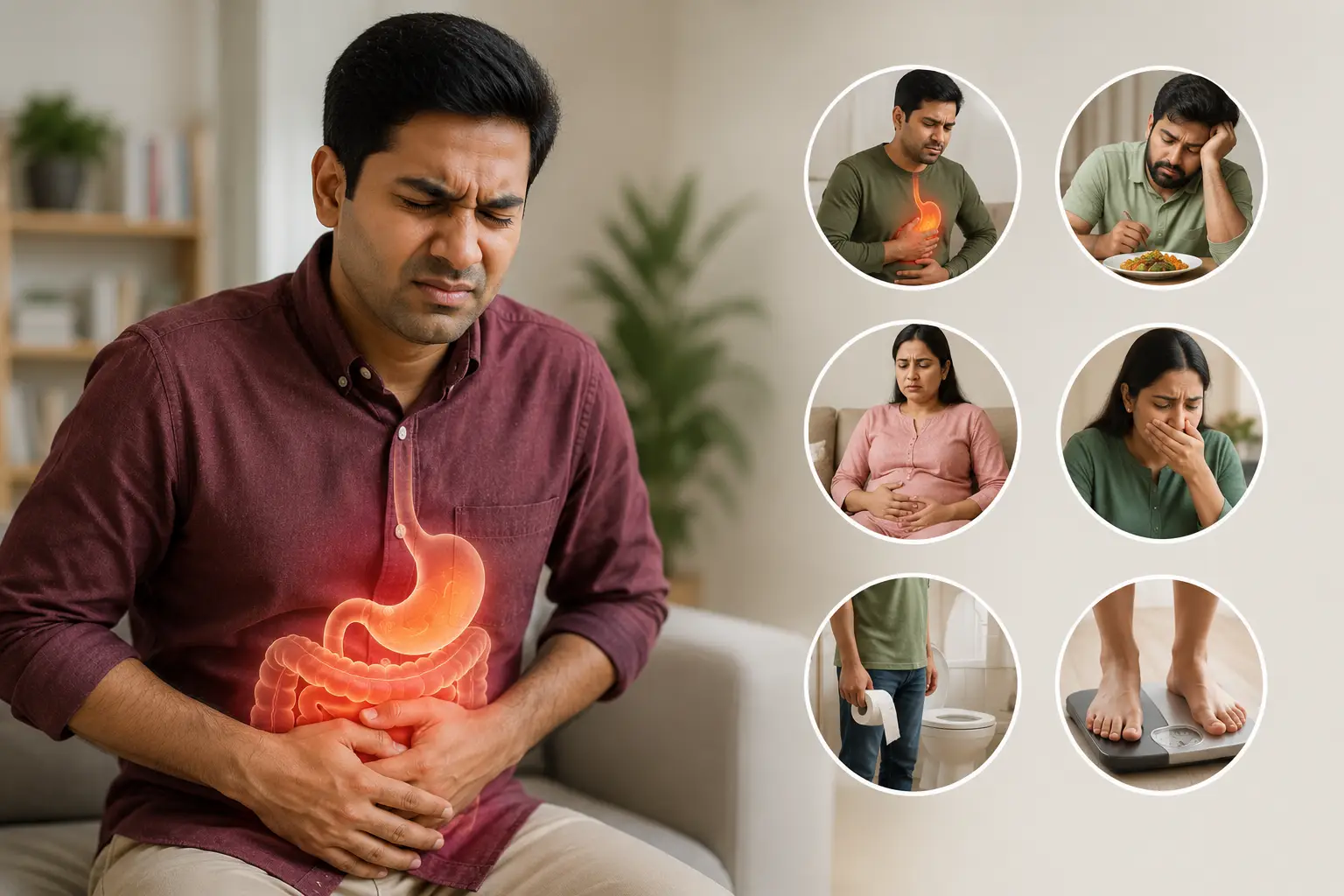

Warning Signs of an Unhealthy Digestive System: Symptoms & Treatment in Rohru

Your digestive system plays a vital role in keeping your body healthy. It helps break down food, absorb essential nutrients, remove waste, and support your immune system. A healthy digestive system contributes to better energy levels, metabolism, and overall well-being.

However, many people ignore early digestive problems such as acidity, bloating, constipation, stomach pain, or irregular bowel movements. These symptoms may seem minor initially but can sometimes indicate underlying digestive disorders that require medical attention.

Understanding the warning signs of an unhealthy digestive system can help you take timely action and prevent future complications.

At Shanti Clinic & Nursing Home Rohru, our experienced medical team provides proper diagnosis and treatment for digestive problems with personalized healthcare solutions.

What Are the Warning Signs of an Unhealthy Digestive System?

Digestive problems can appear in different ways depending on the cause and severity. Some common warning signs include:

1. Frequent Stomach Pain or Abdominal Discomfort

Occasional stomach discomfort may occur due to overeating or unhealthy food choices. However, frequent or persistent abdominal pain should not be ignored.

Common causes of stomach pain include:

  • Gastric problems
  • Acidity
  • Infections
  • Constipation
  • Food intolerance
  • Digestive disorders

If you experience regular stomach pain, consult a healthcare professional for proper evaluation and treatment.

Patients looking for complete medical consultation can visit our General OPD Services in Rohru for expert guidance.

2. Frequent Bloating and Excess Gas

Bloating is one of the most common signs of digestive imbalance. It may occur when your digestive system is unable to properly break down food.

Common reasons for bloating include:

  • Poor eating habits
  • Low fiber intake
  • Constipation
  • Food intolerance
  • Imbalance in gut bacteria

Making lifestyle changes and getting proper medical advice can help improve digestion.

3. Regular Acidity, Heartburn, and Acid Reflux

Frequent acidity or heartburn can affect your daily comfort and may indicate digestive problems.

Symptoms may include:

  • Burning sensation in the chest
  • Sour taste in the mouth
  • Burping
  • Discomfort after meals
  • Stomach irritation

If acidity occurs regularly, it is important to identify the underlying cause instead of relying only on temporary relief.

4. Constipation or Changes in Bowel Habits

Healthy digestion depends on regular bowel movements. Changes in your normal bowel pattern may indicate digestive issues.

Warning signs include:

  • Long-term constipation
  • Difficulty passing stool
  • Frequent diarrhea
  • Changes in stool appearance
  • Irregular bowel movements

Persistent bowel problems should be checked by a doctor to prevent complications.

5. Unexplained Weight Loss or Weight Gain

Sudden weight changes without changes in diet or exercise may indicate an underlying health issue.

Digestive disorders can affect:

  • Nutrient absorption
  • Metabolism
  • Appetite
  • Energy levels

If weight changes occur along with digestive symptoms, medical consultation is recommended.

6. Loss of Appetite

A reduced appetite can occur due to several reasons, including digestive infections, stomach disorders, stress, or liver-related problems.

Long-term loss of appetite should not be ignored, especially when accompanied by:

  • Weakness
  • Weight loss
  • Nausea
  • Abdominal discomfort

7. Nausea and Frequent Vomiting

Occasional nausea may happen due to food-related issues, but frequent nausea or vomiting may require medical evaluation.

It may be linked with:

  • Stomach infections
  • Acid reflux
  • Digestive disorders
  • Liver-related conditions

Early diagnosis helps doctors provide effective treatment.

8. Fatigue and Weakness

A poor digestive system can affect how your body absorbs nutrients. This may lead to:

  • Low energy
  • Weakness
  • Poor concentration
  • Reduced immunity

Maintaining good digestive health is important for overall wellness.

Common Causes of Digestive Problems

Several lifestyle habits and medical conditions can affect digestive health.

Unhealthy Eating Habits

Regular consumption of:

  • Oily foods
  • Processed foods
  • Excess spicy foods
  • Sugary drinks

can negatively affect digestion.

Lack of Fiber

A fiber-deficient diet can increase the risk of constipation and poor bowel movements.

Stress and Poor Sleep

Stress can directly impact gut health and worsen problems like acidity and indigestion.

Lack of Physical Activity

A sedentary lifestyle may slow digestion and increase constipation problems.

Liver-Related Problems

The liver plays an important role in digestion. Conditions like fatty liver may affect digestive functions.

Patients experiencing liver-related symptoms can consult experts for Fatty Liver & Digestive Problems Treatment in Rohru.

How Are Digestive Problems Diagnosed?

Doctors may recommend different tests depending on symptoms, including:

  • Physical examination
  • Blood tests
  • Liver function tests
  • Ultrasound
  • Stool examination
  • Other diagnostic evaluations

At Shanti Clinic & Nursing Home Rohru, patients can access healthcare consultation and diagnostic facilities for accurate evaluation.

You can also explore our Diagnostic Services in Rohru for medical testing support.

Tips to Maintain a Healthy Digestive System

Eat a Balanced Diet

Include:

  • Fresh fruits
  • Vegetables
  • Whole grains
  • Fiber-rich foods
  • Probiotic foods

Drink Enough Water

Proper hydration supports digestion and prevents constipation.

Exercise Regularly

Daily physical activity improves digestion and overall health.

Avoid Excess Junk Food

Reduce:

  • Fried foods
  • Processed foods
  • Excess caffeine
  • Sugary beverages

Manage Stress

Practice relaxation techniques, meditation, and maintain healthy sleep habits.

When Should You Visit a Doctor?

You should consult a doctor if you experience:

  • Persistent stomach pain
  • Blood in stool
  • Continuous vomiting
  • Sudden weight loss
  • Severe acidity
  • Long-term constipation or diarrhea
  • Loss of appetite

Early diagnosis can help prevent serious digestive health problems.

Why Choose Shanti Clinic & Nursing Home Rohru for Digestive Care?

Shanti Clinic & Nursing Home Rohru provides trusted healthcare services with experienced doctors, modern facilities, and patient-focused treatment.

The clinic offers:

  • General medical consultation
  • Digestive problem evaluation
  • Diagnostic services
  • Ultrasound facilities
  • Liver and digestive health support
  • Emergency medical care

Patients can visit our Services Page to learn more about available healthcare treatments.

Frequently Asked Questions (FAQs)

What are the warning signs of an unhealthy digestive system?

Common warning signs include stomach pain, bloating, acidity, constipation, diarrhea, nausea, appetite changes, and unexplained weight changes.

When should I consult a doctor for digestive problems?

You should consult a doctor if digestive symptoms continue for a long time, become severe, or affect your daily life.

Can fatty liver cause digestive problems?

Yes, liver conditions such as fatty liver can affect digestion and overall health. Proper diagnosis and treatment are important.

How can I improve my digestive health naturally?

Maintaining a balanced diet, drinking enough water, exercising regularly, and avoiding unhealthy foods can support better digestion.

Get Expert Digestive Care in Rohru

Ignoring digestive symptoms can lead to bigger health problems in the future. If you are experiencing acidity, stomach pain, bloating, constipation, or other digestive concerns, consult the experienced healthcare team at Shanti Clinic & Nursing Home Rohru.

For consultation and treatment, visit our clinic or book an appointment today.

Non-Alcoholic Fatty Liver Disease (NAFLD): Causes and Prevention

The liver is one of the most important organs in the human body. It performs hundreds of essential functions, including filtering toxins, producing bile for digestion, storing nutrients, and regulating metabolism. However, modern lifestyles, unhealthy eating habits, and increasing rates of obesity have led to a growing number of liver-related health problems. One of the most common liver disorders today is Non-Alcoholic Fatty Liver Disease (NAFLD).

NAFLD is a condition in which excess fat accumulates in the liver of individuals who consume little or no alcohol. It has become a major health concern worldwide and is increasingly being diagnosed among adults and even children. If left untreated, NAFLD can progress to severe liver damage, liver cirrhosis, and liver failure. Fortunately, early diagnosis and lifestyle modifications can significantly reduce the risk of complications.

At Shanti Clinic & Nursing Home, patients receive comprehensive evaluation and guidance for liver-related conditions. If you are searching for fatty liver specialists in HP or a trusted specialist for fatty liver in Himachal Pradesh, understanding NAFLD is the first step toward protecting your liver health.

What is Non-Alcoholic Fatty Liver Disease (NAFLD)?

Non-Alcoholic Fatty Liver Disease is a condition characterized by the accumulation of fat in liver cells without significant alcohol consumption. Normally, a small amount of fat is present in the liver. However, when fat exceeds 5% to 10% of the liver’s weight, it can lead to fatty liver disease.

NAFLD is generally classified into two main types:

1. Simple Fatty Liver (Non-Alcoholic Fatty Liver)

In this stage, fat accumulates in the liver, but there is little or no inflammation or damage to liver cells. Many people with simple fatty liver may never develop serious liver complications.

2. Non-Alcoholic Steatohepatitis (NASH)

This is a more severe form of NAFLD. Along with fat accumulation, there is inflammation and liver cell damage. NASH can eventually lead to fibrosis (scarring), cirrhosis, liver failure, and even liver cancer.

Because NAFLD often develops silently, many patients remain unaware of the condition until it is discovered during routine medical tests.

Causes of NAFLD

The exact cause of NAFLD is not fully understood. However, several factors contribute to the buildup of fat in the liver.

Obesity

Obesity is one of the strongest risk factors for fatty liver disease. Excess body fat, particularly around the abdomen, increases the likelihood of fat accumulation in liver cells.

Insulin Resistance

Insulin resistance occurs when the body’s cells do not respond properly to insulin. This condition is common in individuals with type 2 diabetes and metabolic syndrome and contributes significantly to NAFLD development.

Type 2 Diabetes

People with diabetes have a higher risk of developing fatty liver disease because elevated blood sugar levels can increase fat storage in the liver.

High Cholesterol and Triglycerides

Elevated levels of cholesterol and triglycerides in the blood contribute to fat accumulation in the liver.

Poor Dietary Habits

Diets rich in processed foods, sugary beverages, refined carbohydrates, and unhealthy fats can promote liver fat accumulation.

Sedentary Lifestyle

Lack of physical activity can lead to obesity, insulin resistance, and metabolic disturbances that increase the risk of NAFLD.

Why Early Intervention Matters

The liver has a remarkable ability to heal itself when damage is detected early. Many cases of NAFLD can be reversed through lifestyle changes, especially during the initial stages. Delayed diagnosis, however, increases the risk of irreversible liver damage.

People experiencing symptoms or possessing multiple risk factors should consult a specialist for fatty liver in Himachal Pradesh for timely evaluation and personalized treatment recommendations.

Top Lifestyle Habits for a Healthy Stomach and Liver

The stomach and liver are two of the most important organs in the human body. While the stomach is responsible for digesting food and absorbing nutrients, the liver performs hundreds of vital functions, including detoxification, metabolism, nutrient storage, and bile production. Modern lifestyles, unhealthy eating habits, stress, lack of exercise, and excessive consumption of processed foods have contributed to a growing number of digestive and liver-related disorders. Conditions such as acidity, indigestion, gastritis, irritable bowel syndrome (IBS), and fatty liver disease are becoming increasingly common among people of all age groups.

Maintaining a healthy stomach and liver is not only important for proper digestion but also for overall health and well-being. By adopting healthy lifestyle habits, individuals can significantly reduce the risk of developing digestive disorders and liver diseases. At Shanti Clinic & Nursing Home, patients receive expert guidance and treatment for various gastrointestinal and liver-related conditions. Whether you are looking for a stomach issues specialist in Himachal Pradesh, seeking advice from fatty liver specialists in HP, or searching for a specialist for fatty liver in Himachal Pradesh, understanding the right lifestyle habits can make a significant difference in your health.

Understanding the Importance of Stomach and Liver Health

The digestive system and liver work together to process food, absorb nutrients, and eliminate toxins from the body. When these organs function properly, the body receives the energy and nutrients it needs to perform daily activities. However, poor lifestyle choices can disrupt these functions, leading to digestive discomfort and liver damage over time.

The liver plays a particularly crucial role in filtering harmful substances from the bloodstream. Excessive consumption of unhealthy foods, alcohol, sugary beverages, and sedentary habits can cause fat accumulation in the liver, resulting in fatty liver disease. Similarly, irregular eating patterns and poor dietary choices can lead to chronic stomach problems.

Fortunately, many digestive and liver conditions can be prevented or managed through simple lifestyle modifications.

1. Follow a Balanced and Nutrient-Rich Diet

A healthy diet is the foundation of good stomach and liver health. The foods you consume directly impact digestion, liver function, and overall wellness. Incorporating fresh fruits, vegetables, whole grains, lean proteins, and healthy fats into your daily meals provides essential nutrients that support both organs.

Fiber-rich foods help maintain regular bowel movements and support digestive health. Green leafy vegetables, berries, apples, carrots, and legumes contain antioxidants that protect liver cells from damage. Whole grains such as oats, brown rice, and quinoa help regulate blood sugar levels and reduce fat accumulation in the liver.

Limiting processed foods, refined carbohydrates, fried foods, and sugary snacks can significantly reduce the burden on the digestive system and liver. A balanced diet not only improves digestion but also supports healthy liver function over the long term.

2. Stay Properly Hydrated Throughout the Day

Water plays a critical role in digestion and detoxification. Proper hydration helps break down food, absorb nutrients, and remove waste products from the body. It also supports liver function by assisting in the elimination of toxins.

Drinking sufficient water throughout the day can prevent constipation, reduce bloating, and promote healthy digestion. Most adults should aim for at least 8 to 10 glasses of water daily, although individual requirements may vary depending on age, activity level, and climate conditions.

Replacing sugary beverages with water, herbal teas, or natural fruit-infused water can further support stomach and liver health.

3. Maintain a Healthy Body Weight

Obesity is one of the leading risk factors for fatty liver disease. Excess body weight, particularly around the abdomen, increases the likelihood of fat accumulation in liver cells. This can eventually lead to inflammation, liver damage, and serious complications.

Maintaining a healthy weight through proper nutrition and regular physical activity can significantly reduce the risk of fatty liver disease. Even modest weight loss can improve liver health and reduce fat deposits in the liver.

Patients consulting fatty liver specialists in HP are often advised to focus on gradual and sustainable weight management strategies rather than extreme dieting.

4. Exercise Regularly

Regular physical activity is essential for both digestive and liver health. Exercise improves metabolism, promotes healthy circulation, and helps regulate body weight. It also enhances insulin sensitivity, reducing the risk of fat accumulation in the liver.

Activities such as brisk walking, cycling, swimming, yoga, and strength training can all contribute to improved health outcomes. Experts recommend at least 150 minutes of moderate-intensity exercise each week.

Exercise also helps reduce stress levels, which can positively affect digestive function and prevent stomach-related problems such as indigestion and acid reflux.

5. Avoid Excessive Alcohol Consumption

Alcohol is one of the most common causes of liver damage worldwide. Excessive alcohol intake can lead to fatty liver, hepatitis, fibrosis, and cirrhosis. Even moderate drinking over long periods may negatively impact liver health in susceptible individuals.

Reducing or eliminating alcohol consumption can significantly improve liver function and reduce the risk of liver disease. Individuals already diagnosed with fatty liver disease should consult a specialist for fatty liver in Himachal Pradesh to receive personalized guidance regarding alcohol intake and liver care.

6. Eat Meals at Regular Intervals

Irregular eating habits can disrupt digestive processes and increase the likelihood of stomach discomfort. Skipping meals, overeating, or eating late at night may contribute to acidity, bloating, and indigestion.

Establishing consistent meal timings helps regulate digestive enzymes and promotes efficient digestion. Eating smaller, balanced meals throughout the day can reduce strain on the stomach and improve nutrient absorption.

It is also beneficial to eat slowly and chew food thoroughly, allowing the digestive system to process food more effectively.

When Should You See a Specialist?

You should seek medical attention if you experience:

  • Persistent abdominal pain
  • Frequent acidity or heartburn
  • Unexplained weight loss
  • Chronic constipation or diarrhea
  • Jaundice
  • Fatigue and weakness
  • Loss of appetite
  • Swelling in the abdomen

Prompt evaluation by a stomach issues specialist in Himachal Pradesh or a specialist for fatty liver in Himachal Pradesh can help prevent complications and improve treatment outcomes.

Best Foods for Maintaining a Healthy Liver

The liver is one of the most important organs in the human body. It performs hundreds of vital functions, including filtering toxins from the blood, producing bile for digestion, storing nutrients, regulating metabolism, and supporting overall health. Despite its remarkable ability to regenerate, the liver can become damaged due to unhealthy eating habits, excessive alcohol consumption, obesity, infections, and certain medications.

In recent years, fatty liver disease has become increasingly common, affecting millions of people worldwide. Many individuals do not realize they have liver problems until the condition progresses. Fortunately, maintaining a healthy lifestyle and following a healthy liver diet can significantly improve liver function and prevent serious complications.

At Shanti Clinic & Nursing Home, our experienced liver care specialist team emphasizes the importance of proper nutrition in maintaining liver health. Whether you have been diagnosed with fatty liver disease or simply want to keep your liver functioning optimally, understanding which foods support liver health is essential.

Why Liver Health Matters

The liver acts as the body’s natural detoxification system. Every day, it processes nutrients, breaks down harmful substances, and helps maintain overall balance within the body. When the liver becomes overloaded with fat or toxins, its ability to function effectively decreases.

Poor liver health can lead to symptoms such as:

  • Fatigue and weakness
  • Abdominal discomfort
  • Unexplained weight gain
  • Digestive issues
  • Yellowing of the skin and eyes (jaundice)
  • Swelling in the abdomen and legs

Following a nutritious diet and seeking guidance from a specialist for fatty liver in Himachal Pradesh can help prevent liver-related complications and improve long-term health.

Understanding Fatty Liver Disease

Fatty liver disease occurs when excess fat accumulates in liver cells. There are two main types:

Non-Alcoholic Fatty Liver Disease (NAFLD)

This condition occurs in people who consume little or no alcohol. It is commonly associated with obesity, diabetes, high cholesterol, and poor dietary habits.

Alcoholic Fatty Liver Disease

This develops due to excessive alcohol consumption, which damages liver cells and impairs liver function.

In both cases, dietary modifications play a crucial role in reducing liver fat and improving overall liver health.

The Role of Diet in Liver Health

A balanced healthy liver diet provides essential nutrients while reducing the burden on the liver. Certain foods contain antioxidants, vitamins, minerals, and anti-inflammatory compounds that support liver repair and detoxification.

Choosing the right foods can help:

  • Reduce liver inflammation
  • Lower fat accumulation in the liver
  • Improve metabolism
  • Support detoxification
  • Maintain healthy body weight
  • Enhance overall well-being

Let’s explore the best foods for maintaining a healthy liver.

1. Leafy Green Vegetables

Leafy greens such as spinach, kale, fenugreek leaves, mustard greens, and lettuce are rich in antioxidants and chlorophyll. These compounds help neutralize toxins and support the liver’s natural cleansing processes.

Green vegetables are also low in calories and high in fiber, making them excellent choices for individuals with fatty liver disease.

Regular consumption of leafy greens can help reduce fat accumulation in the liver while improving digestive health.

2. Fatty Fish

Fatty fish such as salmon, sardines, mackerel, and tuna are rich sources of omega-3 fatty acids. These healthy fats help reduce inflammation and improve liver enzyme levels.

Research suggests that omega-3 fatty acids may help decrease liver fat in people with fatty liver disease.

Including fish in your diet two to three times per week can significantly contribute to better liver health.

3. Garlic

Garlic contains sulfur compounds that activate liver enzymes responsible for removing toxins from the body. It also contains selenium and allicin, both of which support liver protection.

Studies have shown that garlic may help reduce body weight and liver fat in individuals with fatty liver disease.

Adding fresh garlic to daily meals is a simple and effective way to support liver function naturally.

4. Coffee

Surprisingly, moderate coffee consumption has been linked to improved liver health. Coffee contains antioxidants and compounds that help reduce liver inflammation.

Research indicates that drinking coffee regularly may lower the risk of liver fibrosis, cirrhosis, and liver cancer.

Many liver care specialist professionals recommend moderate coffee intake as part of a liver-friendly lifestyle.

5. Berries

Blueberries, strawberries, raspberries, and blackberries are packed with antioxidants called anthocyanins. These compounds help protect liver cells from oxidative stress and inflammation.

Berries also support immune function and contribute to overall health.

Including a variety of berries in your diet can provide powerful protection against liver damage.

Foods to Avoid for Better Liver Health

While certain foods support liver function, others can contribute to liver damage and fat accumulation.

Avoid or limit:

  • Sugary beverages
  • Processed foods
  • Fast food
  • Excessive alcohol
  • Refined carbohydrates
  • Fried foods
  • Excessive salt
  • High-fat packaged snacks

Reducing these foods is often one of the first recommendations provided by a specialist for fatty liver in Himachal Pradesh.

How to Reverse Fatty Liver Naturally with Lifestyle Changes

Fatty liver disease has become one of the most common health concerns affecting people across India. Due to unhealthy eating habits, sedentary lifestyles, obesity, diabetes, and increased stress levels, more individuals are being diagnosed with fatty liver at an early age. The good news is that in many cases, fatty liver can be reversed naturally with the right lifestyle modifications and consistent efforts.

At Shanti Clinic & Nursing Home, our experienced healthcare professionals understand the importance of early diagnosis and effective management of liver disorders. If you are looking for guidance from fatty liver specialists in HP or seeking advice from a trusted liver health specialist, understanding how lifestyle changes impact liver health is the first step toward recovery.

Understanding Fatty Liver Disease

Fatty liver disease occurs when excess fat accumulates within liver cells. While a small amount of fat in the liver is normal, excessive fat buildup can cause inflammation and damage over time.

There are two primary types of fatty liver disease:

Non-Alcoholic Fatty Liver Disease (NAFLD)

This condition occurs in people who consume little or no alcohol. It is commonly associated with obesity, diabetes, high cholesterol, and metabolic syndrome.

Alcoholic Fatty Liver Disease

This type develops due to excessive alcohol consumption and can progress to severe liver damage if left untreated.

In its early stages, fatty liver often causes no noticeable symptoms. Many patients discover the condition during routine health checkups or imaging studies. However, as the disease progresses, symptoms may include:

  • Fatigue and weakness
  • Discomfort in the upper right abdomen
  • Unexplained weight gain
  • Difficulty concentrating
  • Elevated liver enzymes
  • Insulin resistance

Early intervention is crucial because untreated fatty liver may progress to liver inflammation, fibrosis, cirrhosis, and even liver failure.

Can Fatty Liver Be Reversed Naturally?

Yes. One of the most encouraging aspects of fatty liver disease is that it is often reversible, particularly during the early stages. Unlike many chronic diseases, the liver has a remarkable ability to heal and regenerate itself when harmful factors are removed.

Natural reversal of fatty liver primarily involves:

  • Improving dietary habits
  • Maintaining a healthy weight
  • Increasing physical activity
  • Managing diabetes and cholesterol
  • Reducing stress
  • Avoiding alcohol and smoking

Patients who commit to these lifestyle changes often experience significant improvements in liver function and overall health.

The Importance of Weight Loss

Excess body weight is one of the leading causes of fatty liver disease. Research consistently shows that gradual weight loss can significantly reduce liver fat and inflammation.

A weight loss of just 5-10% of total body weight may:

  • Reduce liver fat accumulation
  • Improve insulin sensitivity
  • Lower inflammation
  • Enhance liver enzyme levels
  • Prevent disease progression

However, rapid weight loss should be avoided because it may worsen liver health. A slow and sustainable approach under the guidance of a healthcare provider is always recommended.

Early Signs of Kidney Stones and Treatment Options

Kidney stones are one of the most common urinary tract conditions affecting millions of people worldwide. These hard deposits of minerals and salts form inside the kidneys and can cause severe pain and discomfort when they move through the urinary tract. While some kidney stones may pass naturally, others require medical intervention and specialized kidney stone treatment.

Recognizing the early warning signs can help patients seek timely medical attention and prevent complications. Understanding the various treatment options available, including advanced procedures such as lithotripsy treatment, can also help patients make informed healthcare decisions

At Shanti Clinic & Nursing Home, we believe that awareness and early diagnosis are key to effective treatment and recovery. This guide explains the early signs of kidney stones, risk factors, diagnosis methods, and the most effective treatment options available today.

What Are Kidney Stones?

Kidney stones are solid masses made of crystals that develop in the kidneys. These stones form when urine contains high levels of minerals such as calcium, oxalate, and uric acid, which can crystallize and stick together.

Kidney stones vary in size. Some are as small as a grain of sand, while others can grow large enough to block the urinary tract and cause severe pain.

Common Types of Kidney Stones

1. Calcium Stones

These are the most common types of kidney stones. They usually form from calcium oxalate but may also consist of calcium phosphate.

2. Uric Acid Stones

These stones develop when urine becomes too acidic. People who consume high-protein diets are at greater risk.

3. Struvite Stones

These stones often form after urinary tract infections and can grow quickly.

4. Cystine Stones

These are rare and occur due to a hereditary disorder that causes excessive cystine in the urine.

Early Signs of Kidney Stones

Many people ignore the initial symptoms of kidney stones because they may seem minor or temporary. However, early detection can significantly improve treatment outcomes.

1. Pain in the Lower Back or Side

One of the earliest kidney stone symptoms is a dull ache in the lower back, side, or abdomen. The pain may come and go and often becomes more intense as the stone moves.

2. Frequent Urination

If you suddenly feel the urge to urinate more frequently than usual, it may indicate that a kidney stone is moving closer to the bladder.

3. Pain During Urination

A burning sensation or discomfort while urinating is another common sign. This occurs when the stone reaches the lower urinary tract.

4. Blood in the Urine

The presence of blood can make urine appear pink, red, or brown. This is one of the most noticeable kidney stone symptoms and should never be ignored.

5. Cloudy or Foul-Smelling Urine

Changes in urine color or odor may indicate infection or the presence of kidney stones.

6. Nausea and Vomiting

Kidney stones can affect the digestive system due to the close connection between the kidneys and gastrointestinal tract.

7. Fever and Chills

These symptoms may indicate a urinary tract infection associated with kidney stones and require immediate medical attention.

8. Severe Sharp Pain

As the stone moves through the ureter, it can cause sudden and intense pain known as renal colic. This pain often radiates from the back to the groin area.

Risk Factors for Kidney Stones

Several factors increase the likelihood of developing kidney stones.

Dehydration

Not drinking enough water is one of the leading causes of kidney stones.

Family History

A family history of kidney stones increases your risk.

Obesity

Excess body weight is linked to higher rates of stone formation.

High-Sodium Diet

Too much salt can increase calcium levels in the urine.

Excessive Protein Intake

Diets rich in animal protein may contribute to stone formation.

Certain Medical Conditions

Conditions such as diabetes, gout, inflammatory bowel disease, and recurrent urinary tract infections can increase risk.