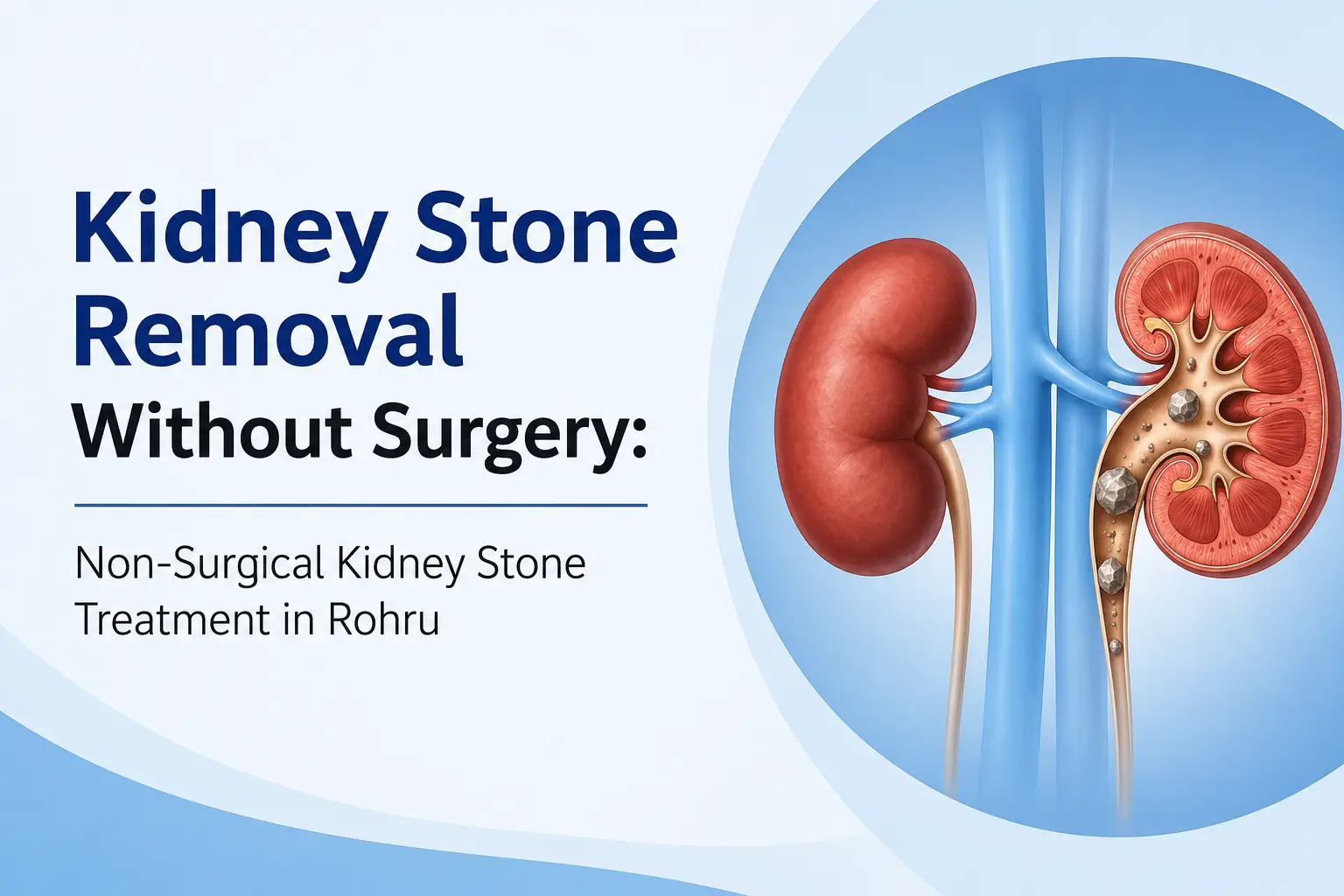
If you have ever experienced the sharp, radiating pain of a kidney stone, you already know it is not something you want to live with for long. For years, many patients in Rohru and the surrounding hill regions of Shimla believed that a kidney stone diagnosis automatically meant a hospital stay, a surgical cut, and weeks of painful recovery. Fortunately, that is no longer the case.
At Shanti Clinic & Nursing Home, Rohru, patients now have access to advanced, non-surgical kidney stone treatment that removes stones safely, with minimal discomfort and a much faster return to normal life. Under the expert guidance of Dr. Roohail Sharma, the clinic uses USG-guided laser lithotripsy to break down and clear kidney stones without the need for traditional open surgery.
In this blog, we will explain how kidney stone removal without surgery works, who it is suitable for, what to expect during the procedure, and why more families across Rohru and Himachal Pradesh are choosing this modern approach over conventional surgical methods.
Understanding Kidney Stones: Why They Form
Kidney stones are hard mineral and salt deposits that form inside the kidneys when urine becomes concentrated, allowing minerals to crystallize and stick together. They can be as small as a grain of sand or as large as a golf ball, and their size largely determines the symptoms a person experiences and the treatment approach required.
Common causes and risk factors include:
- Inadequate water intake, which is especially common in hilly regions where people are often more physically active but drink less fluid than needed
- High-sodium or high-protein diets
- Family history of kidney stones
- Obesity and sedentary lifestyle
- Certain medical conditions, such as gout, urinary tract infections, or hyperparathyroidism
- Reduced urine output due to hot weather, excessive sweating, or illness
Left untreated, kidney stones can cause severe pain, urinary blockage, infection, and in some cases, permanent kidney damage. This is why timely diagnosis and treatment matter so much.
Common Symptoms of Kidney Stones
Many patients delay treatment simply because they do not recognize the early warning signs. Watch out for:
- Sudden, severe pain in the back, side, or lower abdomen that comes in waves
- Pain that radiates to the groin
- Burning sensation while urinating
- Blood in the urine (pink, red, or brown)
- Frequent urge to urinate
- Nausea and vomiting
- Fever and chills, which may indicate an infection alongside the stone
If you notice any combination of these symptoms, it is important to consult a doctor promptly rather than waiting for the pain to become unbearable.
Do All Kidney Stones Need Surgery?
This is one of the most common questions patients ask, and the honest answer is: no. Whether a stone requires surgery depends on its size, location, and composition, as well as the patient’s overall health.
- Small stones (usually under 5mm) often pass on their own with hydration, medication, and monitoring.
- Medium to moderately large stones that don’t pass naturally can often be treated with non-surgical or minimally invasive procedures, such as laser lithotripsy.
- Very large or complex stones, or stones causing severe blockage, may sometimes still require surgical intervention.
The key takeaway is that a large number of kidney stone cases — which earlier would have gone straight to open surgery — can today be managed through non-surgical methods, provided the diagnosis and treatment are handled by an experienced specialist.
What Is Non-Surgical Kidney Stone Treatment?
Non-surgical kidney stone treatment refers to procedures that break down or remove kidney stones without making any surgical incision in the body. Instead of cutting into the kidney, doctors use energy-based or endoscopic techniques to fragment the stone so it can pass naturally through urine, or be retrieved through the body’s natural passages.
At Shanti Clinic, the primary non-surgical approach offered is Laser Lithotripsy, supported by USG (Ultrasound)-guided imaging for precision and safety.
How Laser Lithotripsy Works
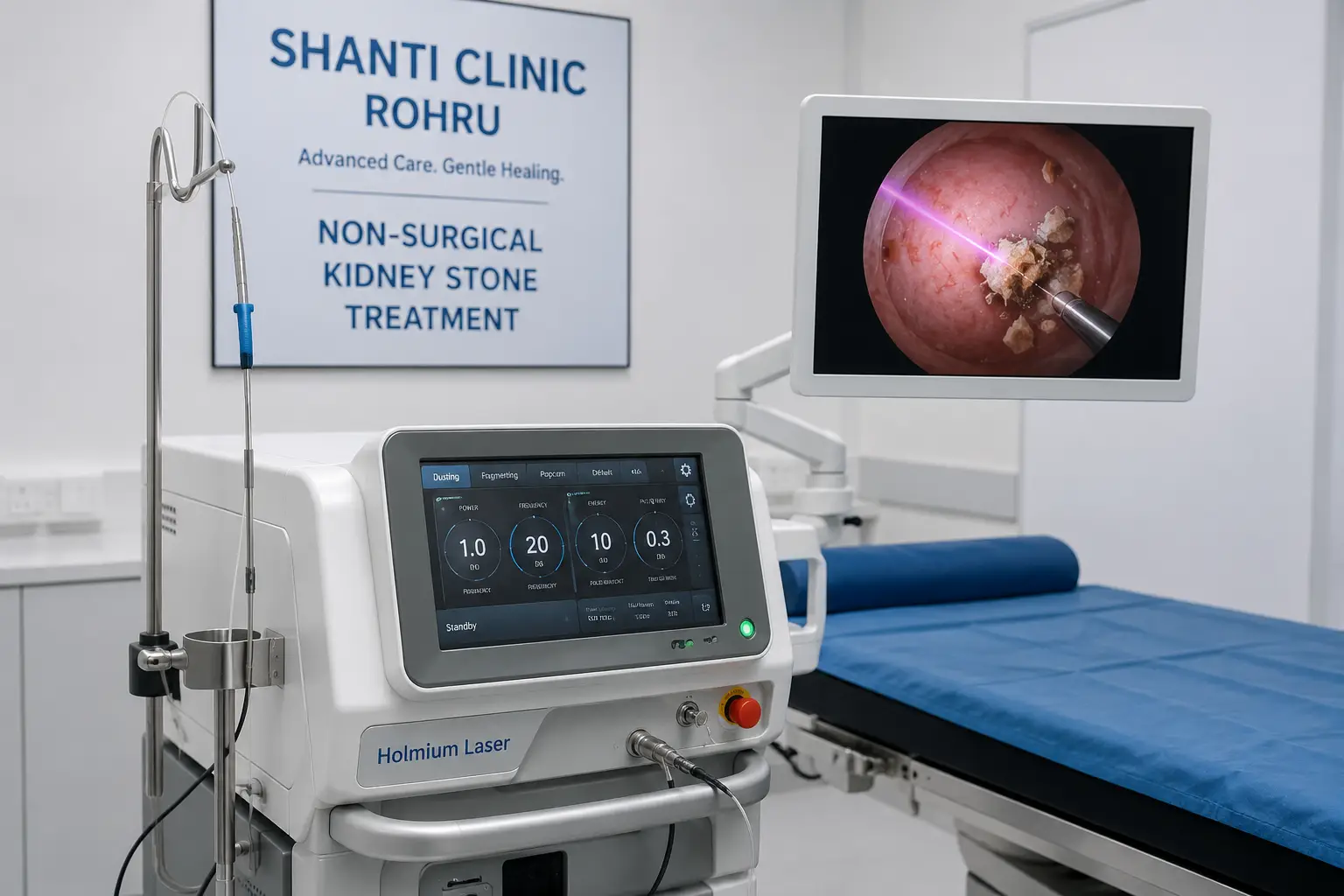
Laser lithotripsy uses focused laser energy to break kidney stones into tiny fragments — almost like sand-sized particles — which the body can then pass naturally through urine. Here is how the process typically works:
- Diagnosis & Imaging: The stone’s size, location, and density are first assessed using ultrasound (USG) and, if required, X-ray or CT imaging.
- USG-Guided Positioning: Real-time ultrasound guidance helps the doctor precisely locate the stone before treatment, improving accuracy and reducing risk to surrounding tissue.
- Laser Fragmentation: A laser fiber, usually passed through a thin scope, delivers targeted energy pulses that break the stone into small fragments.
- Natural Passage or Retrieval: The fragmented pieces either pass out naturally through urine or are gently removed using specialized instruments.
- Recovery & Monitoring: Most patients are up and moving within hours, with only mild discomfort compared to traditional open surgery.
How USG-Guided Laser Lithotripsy Works
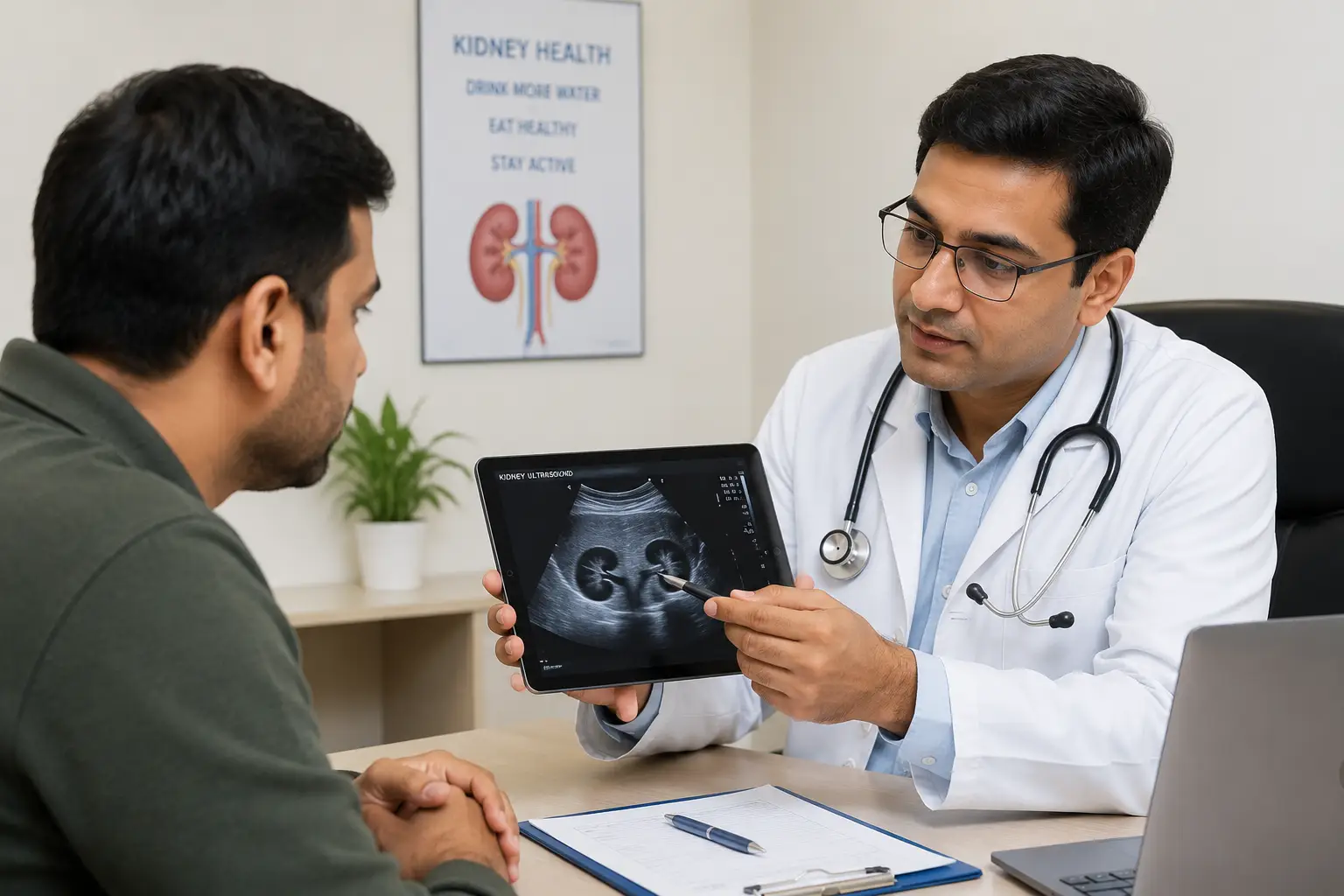
- Diagnosis and Imaging: The process begins with a detailed ultrasound (USG) scan to confirm the size, number, and exact location of the stone(s) in the kidney or urinary tract.
- Precise Targeting: Using continuous ultrasound guidance, the medical team locates the stone with high accuracy, ensuring the treatment is focused only where it is needed.
- Laser Fragmentation: A laser fiber is used to break the stone into small, sand-like fragments.
- Natural or Assisted Clearance: These fragments are then either passed out naturally through urine or gently cleared through a minimally invasive approach, depending on the stone’s size and position.
- Recovery Monitoring: Patients are monitored briefly after the procedure and can typically return home the same day or within a short observation period.
This entire approach avoids large incisions, general anesthesia complications associated with major surgery, and the extended hospital stays that traditional open stone surgery often requires.
Why Choose Kidney Stone Removal Without Surgery?
Choosing a non-surgical route offers several meaningful advantages, particularly for patients who are anxious about going under the knife or who cannot afford long recovery periods due to work or family responsibilities.
1. No Cuts, No Stitches
Since there is no incision involved, patients avoid the risks associated with surgical wounds, such as infection, scarring, and delayed healing.
2. Minimal Pain and Discomfort
Laser lithotripsy is designed to be far less painful than traditional surgery. Most patients report only mild discomfort, which is easily managed with medication.
3. Faster Recovery Time
While open surgery can require weeks of recovery, non-surgical treatment often allows patients to resume normal activities within a few days.
4. Shorter Hospital Stay
Many patients can go home the same day or after a short observation period, reducing hospital costs and time away from work or family.
5. Lower Risk of Complications
With precise USG guidance, the treatment is targeted and controlled, significantly reducing the risk of damage to surrounding organs and tissues.
6. Suitable for a Wide Range of Stone Sizes
Depending on the case, laser lithotripsy can be effective for both small and moderately sized stones, making it a versatile treatment option.
Who Should Consider Non-Surgical Kidney Stone Treatment?
Non-surgical kidney stone treatment is generally suitable for patients who:
- Have been diagnosed with kidney or ureteric stones through ultrasound or other imaging
- Are experiencing recurrent pain due to stones that have not passed naturally
- Want to avoid the risks and downtime associated with open surgery
- Have stones that are appropriately sized for laser-based fragmentation
- Are looking for a quicker return to their daily routine and livelihood
Every patient’s case is different, which is why a proper consultation and diagnostic ultrasound at Shanti Clinic is the first step before recommending any treatment plan.
Why Choose Non-Surgical Treatment Over Traditional Surgery?
| Factor | Traditional Open Surgery | Non-Surgical Laser Lithotripsy |
|---|---|---|
| Incision | Large surgical cut | No incision required |
| Hospital Stay | Several days | Often same-day or overnight |
| Recovery Time | Weeks | Usually a few days |
| Pain Level | Higher, prolonged | Minimal to moderate |
| Scarring | Visible scar | None |
| Return to Routine | Delayed | Much faster |
Beyond the clinical advantages, non-surgical treatment also means less time away from work, less strain on family members who act as caregivers, and significantly lower emotional and physical stress for the patient.
What to Expect Before, During, and After Treatment
Before the Procedure
- A detailed consultation with Dr. Roohail Sharma to review your symptoms and medical history
- Diagnostic ultrasound (USG) to confirm the size and position of the stone
- Basic blood and urine tests, if required, to rule out infection or other complications
- Clear guidance on the treatment plan, so you know exactly what to expect
During the Procedure
- The treatment is performed under controlled conditions with continuous ultrasound guidance
- Local or minimal anesthesia is used, depending on the case, keeping the process as comfortable as possible
- The procedure duration depends on the size and number of stones but is generally quick compared to open surgery
After the Procedure
- Patients are monitored for a short period before being discharged
- Doctors provide guidance on hydration, diet, and any medication needed to help flush out remaining stone fragments
- A follow-up visit is usually scheduled to confirm that the stone has been fully cleared
Preventing Kidney Stones from Coming Back
Successful treatment is only half the journey. Preventing recurrence is just as important, especially since kidney stones tend to come back if lifestyle habits are not adjusted. Dr. Roohail Sharma and the team at Shanti Clinic recommend:
- Drinking plenty of water throughout the day, especially important in Rohru’s hilly climate where dehydration can be easy to overlook
- Reducing salt and processed food intake
- Limiting animal protein in cases where stone type indicates this is a contributing factor
- Maintaining a healthy body weight through regular activity
- Getting regular check-ups, particularly if you have a family history of kidney stones
- Following any specific dietary advice based on the type of stone you had, since not all kidney stones form for the same reason
Why Shanti Clinic & Nursing Home, Rohru?
Choosing the right clinic for kidney stone treatment matters just as much as choosing the right treatment method. Here’s why patients across Rohru and nearby areas of Shimla district trust Shanti Clinic & Nursing Home:
- Expert Care: Treatment is led by Dr. Roohail Sharma, an experienced General Physician known for his patient-first approach to kidney stone management.
- Advanced Technology: The clinic uses modern laser lithotripsy equipment combined with USG-guided imaging for precise, safe treatment.
- Comprehensive Diagnostics: In-house ultrasound and digital X-ray facilities mean faster diagnosis without the need to travel to a bigger city.
- Personalized Treatment Plans: Every patient’s stone size, location, and health condition are assessed individually before recommending treatment.
- Compassionate, Local Care: Being based in Rohru itself means patients from nearby villages and towns don’t need to travel long distances to Shimla or other cities for advanced urological care.
- Trusted by the Community: With thousands of families already relying on Shanti Clinic for their healthcare needs, the clinic has built a strong reputation for safe outcomes and attentive care.
You can learn more about the clinic’s approach to advanced treatment on the About Us page, or explore the full range of care offered under General & Pregnancy Ultrasound services, which supports accurate stone diagnosis.
Frequently Asked Questions (FAQs)
1. Is kidney stone removal without surgery painful? No. Non-surgical treatments like laser lithotripsy are designed to minimize pain. Most patients experience only mild discomfort, which is easily managed with medication, unlike the significant post-operative pain associated with open surgery.
2. How long does the recovery take after non-surgical kidney stone treatment?
Recovery is typically much faster than surgery. Many patients resume their normal daily activities within a few days, compared to several weeks required after traditional open surgery.
3. What size of kidney stones can be treated without surgery?
Laser lithotripsy can effectively treat a wide range of stone sizes, from small to moderately large stones. Your exact suitability will be determined after a diagnostic ultrasound and consultation with Dr. Roohail Sharma.
4. Is USG-guided laser lithotripsy safe?
Yes. USG guidance allows the medical team to precisely locate the stone in real time, which significantly reduces the risk of damage to surrounding kidney tissue and other organs, making the procedure very safe when performed by experienced specialists.
5. Will I need to stay in the hospital after the procedure?
In most cases, patients can go home the same day or after a short observation period, avoiding the extended hospital stays typically required after open kidney stone surgery.
6. Can kidney stones come back after treatment?
Yes, kidney stones can recur if underlying risk factors like dehydration, poor diet, or family history are not addressed. Following the preventive guidance provided by your doctor, especially regarding water intake and diet, greatly reduces the chances of recurrence.
7. Where can I get non-surgical kidney stone treatment in Rohru?
Shanti Clinic & Nursing Home in Rohru offers advanced USG-guided laser lithotripsy for non-surgical kidney stone removal, led by Dr. Roohail Sharma. You can book a consultation by calling +91-98160 90033 or visiting the clinic directly.
Conclusion
Kidney stones no longer have to mean a long, painful surgical journey. With USG-guided laser lithotripsy available right here in Rohru, patients can now choose a safe, effective, and non-surgical path to relief. Shanti Clinic & Nursing Home combines modern technology with the experienced, compassionate care of Dr. Roohail Sharma to help patients get back to their normal lives quickly and comfortably.
If you or a loved one is dealing with kidney stone pain, do not wait for it to get worse. Book a consultation at Shanti Clinic & Nursing Home, Rohru, today and take the first step toward a stone-free, healthier future.