
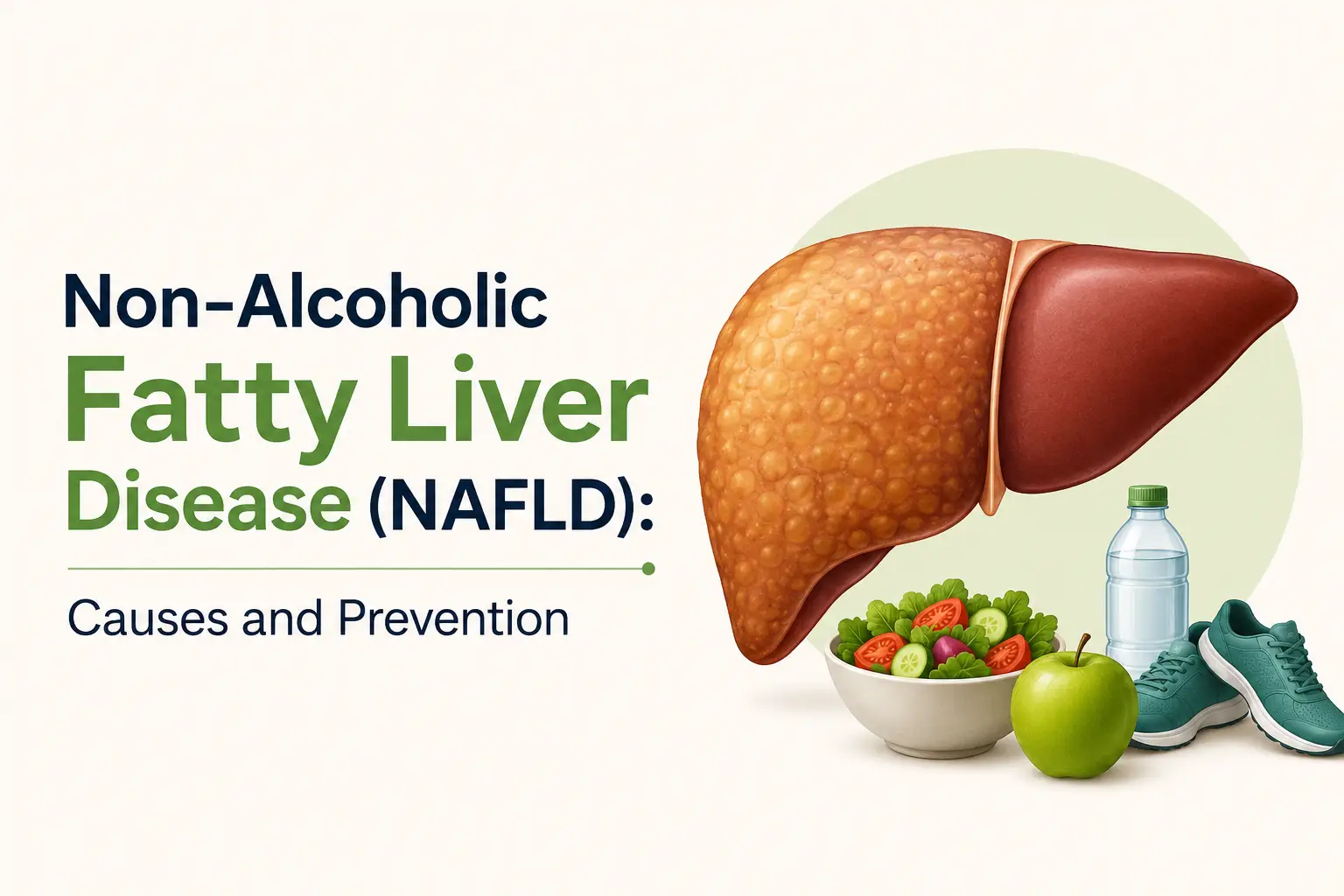
The liver is one of the most important organs in the human body. It performs hundreds of essential functions, including filtering toxins, producing bile for digestion, storing nutrients, and regulating metabolism. However, modern lifestyles, unhealthy eating habits, and increasing rates of obesity have led to a growing number of liver-related health problems. One of the most common liver disorders today is Non-Alcoholic Fatty Liver Disease (NAFLD).
NAFLD is a condition in which excess fat accumulates in the liver of individuals who consume little or no alcohol. It has become a major health concern worldwide and is increasingly being diagnosed among adults and even children. If left untreated, NAFLD can progress to severe liver damage, liver cirrhosis, and liver failure. Fortunately, early diagnosis and lifestyle modifications can significantly reduce the risk of complications.
At Shanti Clinic & Nursing Home, patients receive comprehensive evaluation and guidance for liver-related conditions. If you are searching for fatty liver specialists in HP or a trusted specialist for fatty liver in Himachal Pradesh, understanding NAFLD is the first step toward protecting your liver health.
What is Non-Alcoholic Fatty Liver Disease (NAFLD)?
Non-Alcoholic Fatty Liver Disease is a condition characterized by the accumulation of fat in liver cells without significant alcohol consumption. Normally, a small amount of fat is present in the liver. However, when fat exceeds 5% to 10% of the liver’s weight, it can lead to fatty liver disease.
NAFLD is generally classified into two main types:
1. Simple Fatty Liver (Non-Alcoholic Fatty Liver)
In this stage, fat accumulates in the liver, but there is little or no inflammation or damage to liver cells. Many people with simple fatty liver may never develop serious liver complications.
2. Non-Alcoholic Steatohepatitis (NASH)
This is a more severe form of NAFLD. Along with fat accumulation, there is inflammation and liver cell damage. NASH can eventually lead to fibrosis (scarring), cirrhosis, liver failure, and even liver cancer.
Because NAFLD often develops silently, many patients remain unaware of the condition until it is discovered during routine medical tests.
Causes of NAFLD
The exact cause of NAFLD is not fully understood. However, several factors contribute to the buildup of fat in the liver.
Obesity
Obesity is one of the strongest risk factors for fatty liver disease. Excess body fat, particularly around the abdomen, increases the likelihood of fat accumulation in liver cells.
Insulin Resistance
Insulin resistance occurs when the body’s cells do not respond properly to insulin. This condition is common in individuals with type 2 diabetes and metabolic syndrome and contributes significantly to NAFLD development.
Type 2 Diabetes
People with diabetes have a higher risk of developing fatty liver disease because elevated blood sugar levels can increase fat storage in the liver.
High Cholesterol and Triglycerides
Elevated levels of cholesterol and triglycerides in the blood contribute to fat accumulation in the liver.
Poor Dietary Habits
Diets rich in processed foods, sugary beverages, refined carbohydrates, and unhealthy fats can promote liver fat accumulation.
Sedentary Lifestyle
Lack of physical activity can lead to obesity, insulin resistance, and metabolic disturbances that increase the risk of NAFLD.
Why Early Intervention Matters
The liver has a remarkable ability to heal itself when damage is detected early. Many cases of NAFLD can be reversed through lifestyle changes, especially during the initial stages. Delayed diagnosis, however, increases the risk of irreversible liver damage.
People experiencing symptoms or possessing multiple risk factors should consult a specialist for fatty liver in Himachal Pradesh for timely evaluation and personalized treatment recommendations.