
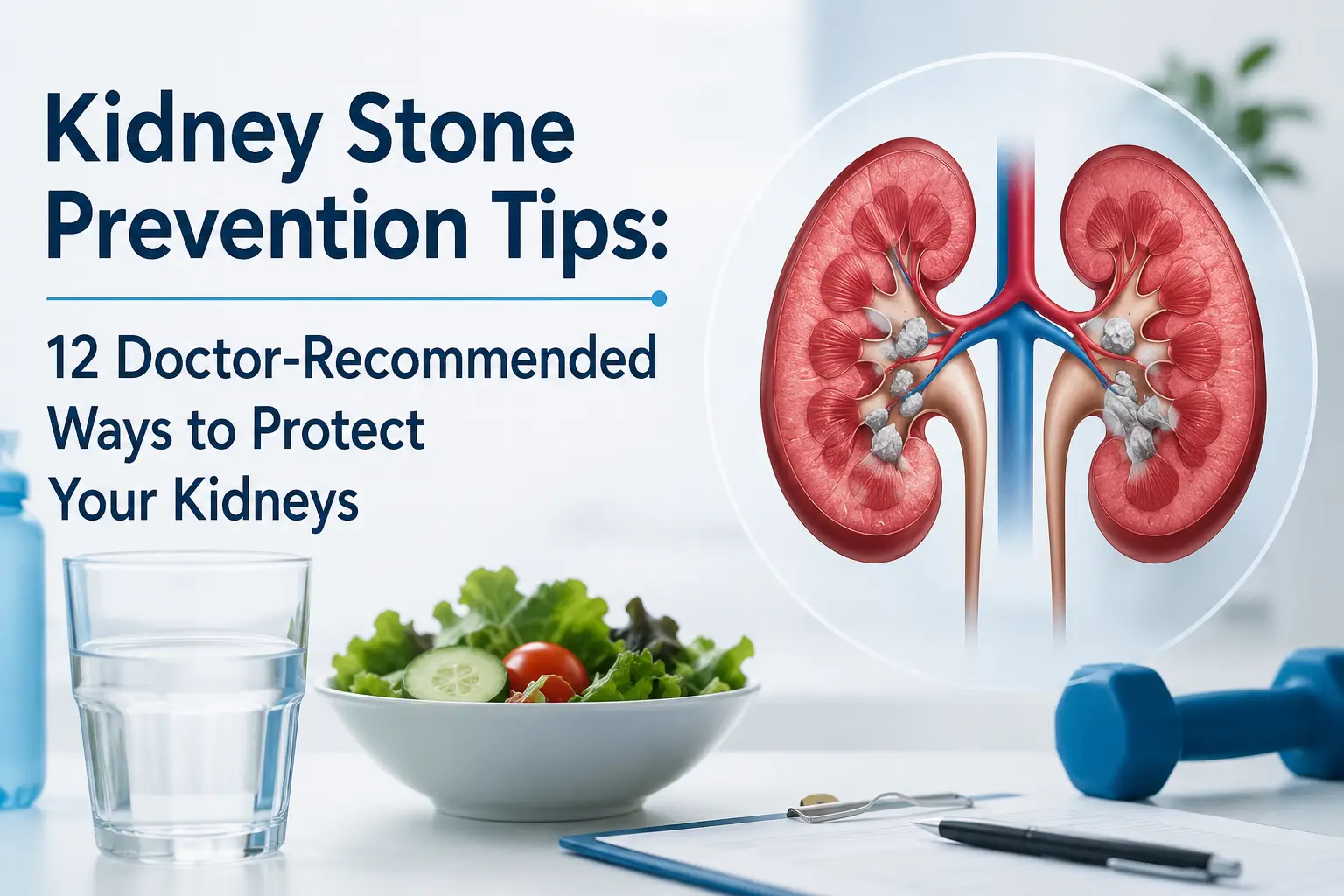
If you have ever met someone who has had a kidney stone, you already know why they never want to experience it again. The sudden, radiating pain in the back or side, the nausea, the endless trips to the bathroom — kidney stones can turn an ordinary day into a medical emergency within hours. At Shanti Clinic & Nursing Home in Rohru, we treat kidney stone patients from Rohru and across the surrounding hill regions of Himachal Pradesh every week, and one thing we tell every single patient after treatment is the same: prevention is far easier than another round of pain, tests, and procedures.
The good news is that kidney stones are largely preventable. Small, consistent changes in how much you drink, what you eat, and how you live can dramatically reduce your risk of forming a stone — or of forming another one if you have already had one. In this blog, our team at Shanti Clinic shares practical, easy-to-follow kidney stone prevention tips that you can start using today.
What Are Kidney Stones and Why Do They Form?
Kidney stones are hard deposits made of minerals and salts that form inside the kidneys when urine becomes too concentrated. When there is not enough fluid moving through the urinary system, or when certain substances like calcium, oxalate, or uric acid build up in excess, these minerals crystallize and stick together, gradually forming a stone.
Stones can be as small as a grain of sand or as large as a golf ball. Small stones may pass on their own with mild discomfort, but larger stones can block the flow of urine, causing severe pain, infection, or even kidney damage if left untreated.
Common risk factors include:
- Not drinking enough water
- A diet high in salt, sugar, or animal protein
- Being overweight or having a sedentary lifestyle
- A family history of kidney stones
- Certain medical conditions, such as gout, urinary tract infections, or digestive diseases
- Hot climates or physically demanding work that causes excessive sweating
Understanding these risk factors is the first step toward prevention. Let’s look at the specific habits that can help you keep your kidneys stone-free.
1. Drink Plenty of Water Throughout the Day
This is, without question, the single most effective kidney stone prevention strategy. When you are well hydrated, your urine stays dilute, which makes it much harder for minerals to crystallize and stick together. Doctors generally recommend producing enough urine to fill about 2 to 2.5 litres a day, which for most healthy adults means drinking roughly 8 to 10 glasses of water daily, adjusted for climate, activity level, and any existing health conditions.
A simple way to check your hydration is to look at the colour of your urine — pale yellow means you are well hydrated, while dark yellow is a sign you need more fluids. If you live or work in a warmer part of Himachal Pradesh, or if you do physically demanding farm or field work, you will need to drink even more to replace fluid lost through sweat.
2. Reduce Your Salt (Sodium) Intake
A high-sodium diet increases the amount of calcium your kidneys have to filter, which raises the risk of calcium-based stones — the most common type of kidney stone. Processed foods, packaged snacks, pickles, papads, canned soups, and restaurant food are often loaded with hidden sodium.
Try to cook fresh meals at home as often as possible, taste food before adding extra salt, and get into the habit of checking labels on packaged items. Small reductions add up to a meaningfully lower stone risk over time.
3. Limit High-Oxalate Foods (If You Are Prone to Stones)
If you have previously had a calcium oxalate stone — the most common type — your doctor may recommend cutting back on high-oxalate foods such as spinach, beetroot, nuts, chocolate, tea, and bran. This does not mean eliminating these foods entirely, but rather eating them in moderation and pairing them with a calcium-rich food, which helps bind oxalate in the digestive tract before it reaches the kidneys.
4. Don’t Cut Out Calcium — Get It From Food
Many people mistakenly believe that avoiding calcium will prevent calcium stones. In reality, the opposite is often true. Adequate dietary calcium — from milk, yoghurt, paneer, and other natural sources — actually binds with oxalate in the gut and reduces the amount that reaches the kidneys. Calcium supplements, however, should only be taken under medical supervision, as they can sometimes increase stone risk if not managed properly.
5. Moderate Your Animal Protein Intake
Diets high in animal protein — red meat, poultry, fish, and eggs — can increase uric acid levels and reduce a natural stone-inhibiting substance in urine called citrate. This combination raises the risk of both calcium and uric acid stones. You do not need to eliminate meat, but balancing it with plant-based proteins like lentils and beans can help protect your kidneys.
6. Add Citrus to Your Diet
Citrate, found naturally in lemons, oranges, and limes, helps prevent stones from forming by binding to calcium in the urine and blocking crystal formation. A simple habit — like adding fresh lemon juice to a glass of water each day — can offer a small but meaningful protective effect.
7. Cut Back on Sugary and Fizzy Drinks
Drinks high in fructose, and sodas with phosphoric acid, have been linked to an increased risk of kidney stones. Replacing sugary beverages with water, buttermilk (chaas), or fresh lime water is a simple swap that benefits both your kidneys and your overall health.
8. Maintain a Healthy Body Weight
Obesity and metabolic conditions such as diabetes are associated with a higher risk of kidney stones, partly because they alter urine chemistry. Regular physical activity and a balanced diet not only support a healthy weight but also improve overall urinary and kidney health.
9. Don’t Ignore Urinary Tract Infections
Recurrent urinary tract infections can contribute to the formation of certain types of kidney stones, particularly struvite stones. If you notice symptoms like burning during urination, frequent urges to urinate, or cloudy urine, seek medical attention promptly rather than waiting for it to resolve on its own.
10. Review Medications and Supplements With Your Doctor
Certain medications and high-dose supplements — including excessive vitamin C or calcium supplements — can increase stone risk in some individuals. Always discuss your full list of medications and supplements with your doctor, especially if you have had a kidney stone before.
11. Know Your Family History
Kidney stones often run in families. If a parent or sibling has had kidney stones, you are at a higher risk yourself, and it is worth being extra consistent about hydration and diet. Mentioning your family history to your doctor also helps them tailor prevention advice specifically to you.
12. Get Regular Check-Ups if You’ve Had a Stone Before
If you have already had one kidney stone, your chances of developing another within the next several years are significantly higher. Regular follow-ups, along with periodic ultrasound or urine tests, allow your doctor to catch a new stone early — often before it causes severe pain — and to adjust your prevention plan as needed.
How Shanti Clinic & Nursing Home Supports Kidney Stone Prevention and Treatment
At Shanti Clinic & Nursing Home, prevention and treatment go hand in hand. Our team, led by Dr. Roohail Sharma, offers comprehensive kidney stone care for patients across Rohru and the wider Himachal Pradesh region, including:
- General & Pregnancy Ultrasound for early detection of kidney stones, even before symptoms become severe
- Digital X-Ray Services to help confirm the size, number, and location of stones
- Advanced USG-Guided Lithotripsy, a safe, radiation-free procedure for breaking down stones
- Non-surgical kidney stone treatment options for patients who want faster recovery with minimal discomfort
- Personalised diet and lifestyle counselling to help patients avoid recurrence after treatment
- General OPD services for ongoing follow-up and monitoring
If you have a family history of kidney stones, have had a stone before, or are simply experiencing unexplained back or abdominal pain, our team is here to help you get an accurate diagnosis and a prevention plan built around your specific needs.
For evidence-based dietary guidance, you can also refer to the National Kidney Foundation’s kidney stone diet recommendations, which offer additional detail on hydration and nutrition targets for stone formers.
Frequently Asked Questions (FAQs)
1. How much water should I drink daily to prevent kidney stones?
Most healthy adults should aim to drink enough fluids to produce about 2 to 2.5 litres of urine per day, which usually translates to 8–10 glasses of water. Your exact requirement may vary based on climate, activity level, and any existing health conditions, so it’s best to confirm your target with your doctor.
2. Can kidney stones come back after treatment?
Yes. If you have had one kidney stone, you have a higher chance of developing another within five to ten years unless preventive steps are taken. This is why hydration, diet management, and regular follow-up visits are so important after treatment.
3. Are kidney stones hereditary?
Family history does increase your risk of developing kidney stones, though diet, hydration, and lifestyle still play a major role. If stones run in your family, it’s worth being proactive about prevention and mentioning this history to your doctor.
4. Is it safe to take calcium supplements if I’ve had a kidney stone?
Not always. While dietary calcium from food generally helps prevent stones, calcium supplements can sometimes increase risk if not taken correctly. Always consult your doctor before starting any supplement.
5. What foods should I avoid if I am prone to kidney stones?
This depends on the type of stone you have had. In general, it helps to limit high-sodium foods, excess animal protein, sugary drinks, and — for calcium oxalate stone formers — high-oxalate foods like spinach, nuts, and chocolate in large quantities.
6. When should I see a doctor about kidney stones?
See a doctor promptly if you experience severe back or side pain, blood in your urine, fever with pain, nausea and vomiting, or difficulty urinating. Even mild, recurring discomfort is worth getting checked, as early detection makes treatment simpler and less invasive.
Conclusion
Kidney stones are painful, but in most cases, they are also preventable. Staying well hydrated, eating a balanced diet with moderate salt and animal protein, maintaining a healthy weight, and paying attention to your family history can go a long way in protecting your kidneys for the long term. If you have already experienced a kidney stone, or if you have risk factors that concern you, don’t wait for the pain to strike again.
The team at Shanti Clinic & Nursing Home, Rohru is here to help you with accurate diagnosis, advanced treatment options like USG-guided lithotripsy, and personalised prevention guidance tailored to your lifestyle. Book your appointment today and take the first step toward long-term kidney health.