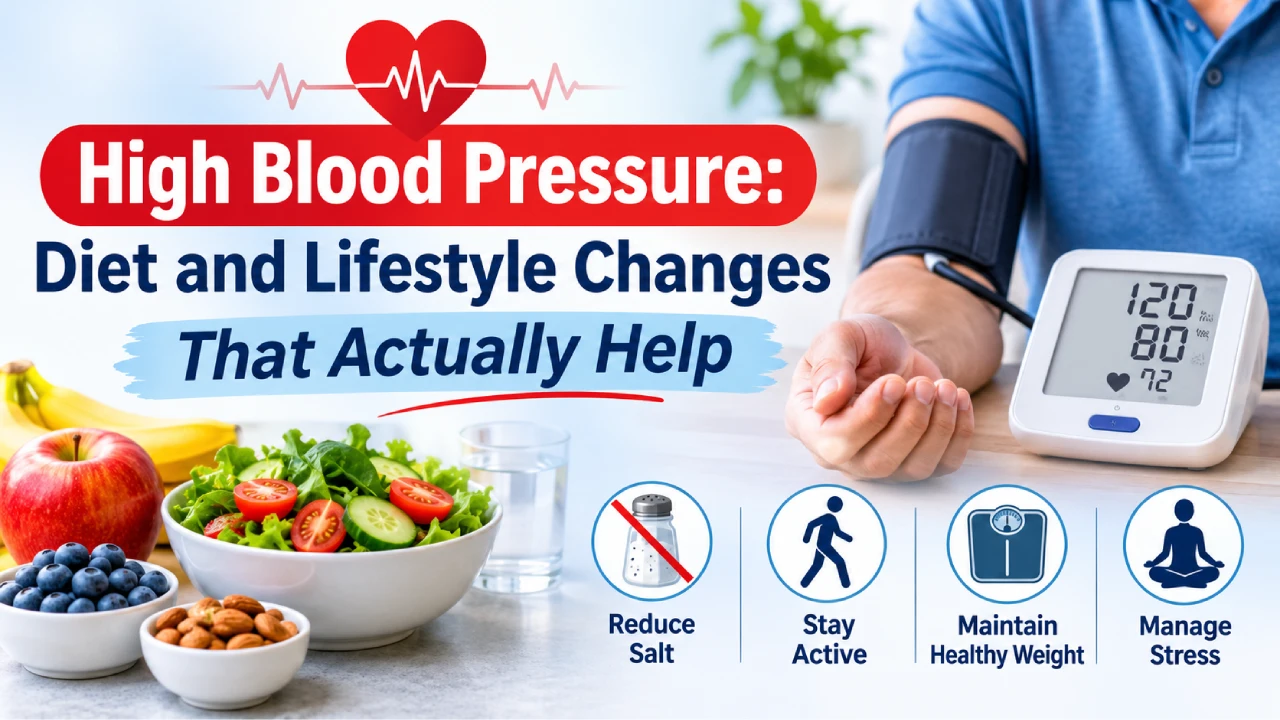
High Blood Pressure: Diet and Lifestyle Changes That Actually Help

High blood pressure (hypertension) is often called a “silent” condition because most people feel completely normal while it quietly damages the heart, brain, kidneys, and eyes. The good news is that diet and daily habits make a real difference. For many people they can lower blood pressure noticeably, and they work alongside any medicine your doctor prescribes. This guide explains what blood pressure numbers mean, which foods help and which to avoid, and the lifestyle changes with the strongest evidence behind them.

What Is Normal Blood Pressure?

Blood pressure is written as two numbers, for example 120/80 mmHg. The top number (systolic) is the pressure when your heart beats, and the bottom number (diastolic) is the pressure when your heart rests between beats.

Category Systolic (mmHg) Diastolic (mmHg)
Normal Below 120 Below 80
Elevated 120 to 129 Below 80
High BP (Stage 1) 130 to 139 80 to 89
High BP (Stage 2) 140 or higher 90 or higher
Hypertensive crisis Above 180 Above 120

Note: Blood pressure readings are measured in mmHg. If your reading is above 180 systolic and/or above 120 diastolic, seek immediate medical guidance. If accompanied by chest pain, breathlessness, weakness, vision changes or difficulty speaking, seek emergency medical care.

These ranges are widely used guideline values, and doctors may set different targets depending on your age, diabetes, kidney disease, or heart history. Diagnosis needs repeated readings on different days, not a single high number.

Blood Pressure Chart by Age

There is no separate “normal” for each age group, but blood pressure tends to rise with age, and readings vary a little between people. As a rough guide, most healthy adults aim for about 120/80 mmHg or lower, whatever their age. Older adults often have higher systolic readings because arteries stiffen over time, which is why regular monitoring becomes more important after 40. If your readings are consistently above 130/80, talk to your doctor instead of assuming it is “normal for your age.”

Symptoms of High Blood Pressure

Most people with high blood pressure have no symptoms, which is exactly why it is dangerous. Checking your BP regularly is the only reliable way to catch it. When blood pressure is very high, some people notice:

  • Severe headache, especially at the back of the head
  • Dizziness or blurred vision
  • Nosebleeds
  • Chest pain or shortness of breath
  • Unusual tiredness or confusion

Chest pain, severe headache with confusion, weakness on one side, or trouble speaking are emergencies. Go to a hospital immediately. Our emergency medical facilities in Rohru are available for urgent situations.

Diet Changes to Lower Blood Pressure

Food is one of the most powerful tools you have. The most studied eating pattern is the DASH diet (Dietary Approaches to Stop Hypertension), which focuses on vegetables, fruits, whole grains, low-fat dairy, and less salt. Here is how to apply it in everyday Indian meals.

1. Cut Down on Salt

Too much sodium makes your body hold water and raises blood pressure. Most adults should aim for less than 5 grams of salt (about one teaspoon) a day in total. Hidden salt matters as much as the salt shaker. Watch for:

  • Pickles, papad, chutneys, and namkeen
  • Packaged snacks, instant noodles, and ready-made masalas
  • Bread, biscuits, and processed or cured foods
  • Salt added at the table to dal, curd, and salad

Try flavoring food with lemon, garlic, ginger, cumin, and fresh herbs instead.

2. Eat More Potassium-Rich Foods

Potassium helps your body flush out sodium and relaxes blood vessel walls. Good sources include:

  • Bananas, oranges, papaya, and pomegranate
  • Spinach, methi, and other leafy greens
  • Potatoes and sweet potatoes (with skin)
  • Tomatoes, beans, rajma, and lentils
  • Coconut water

If you have kidney disease or take certain BP medicines, check with your doctor before increasing potassium, since too much can be unsafe.

3. Choose Whole Grains and High-Fiber Foods

Swap refined flour and white rice for whole wheat roti, oats, daliya, brown rice, and millets. Fiber supports heart health and helps with weight control.

4. Include Healthy Fats and Low-Fat Dairy

Use small amounts of mustard or olive oil instead of heavy ghee and fried foods. Add nuts and seeds, such as walnuts and flaxseeds, in modest portions. Choose low-fat milk and curd.

5. Go Easy on Sugar and Processed Foods

Sugary drinks, sweets, and packaged foods add calories and weight, which pushes blood pressure up over time.

Foods to Avoid With High Blood Pressure

Limit or avoid these as much as you can:

  • High-salt foods: pickles, papad, salted snacks, instant noodles, canned soups
  • Processed and fried foods: samosas, pakoras, fast food, chips
  • Red and processed meats: sausages, bacon, and heavily salted meat
  • Sugary foods and drinks: soft drinks, packaged juices, sweets, bakery items
  • Excess caffeine: very strong tea or coffee in large quantities can raise BP temporarily
  • Alcohol: heavy drinking raises blood pressure and can weaken BP medicines

Lifestyle Changes That Help Control Blood Pressure

Diet works best when combined with healthy habits.

Exercise regularly Aim for at least 30 minutes of moderate activity, such as brisk walking, cycling, or swimming, on most days of the week. Regular activity can lower blood pressure and strengthen the heart. Start slowly if you are new to exercise, and check with your doctor first if you have heart problems.

Maintain a healthy weight Losing even a few kilos can lower blood pressure, especially if you carry extra weight around your belly.

Manage stress Chronic stress keeps blood pressure high. Try yoga, deep breathing, meditation, prayer, time outdoors, or hobbies you enjoy.

Sleep well Poor or short sleep is linked to higher blood pressure. Aim for 7 to 8 hours, and get checked if you snore loudly or stop breathing in your sleep, since sleep apnea is a known cause of hypertension.

Quit smoking and tobacco Every cigarette or tobacco use raises blood pressure briefly and damages blood vessels over time.

Monitor your blood pressure at home A reliable home BP monitor helps you track your numbers. Sit quietly for five minutes, keep your arm at heart level, and take readings at the same time each day. Write them down and show them to your doctor.

Take your medicines regularly Never stop or reduce BP medicine because you “feel fine” or your numbers improve. Many people need medicine and lifestyle changes together.

Can High Blood Pressure Be Controlled Naturally?

For people with mildly high blood pressure, lifestyle changes can sometimes bring numbers back to a healthy range. For many others, especially those with stage 2 hypertension, diabetes, or kidney or heart disease, medicine is also needed, and lifestyle changes make the medicine work better and often reduce the dose required. “Naturally” should never mean replacing prescribed treatment with home remedies. Your doctor can tell you which approach suits you.

According to the World Health Organization, reducing salt intake, eating more fruits and vegetables, staying physically active, avoiding tobacco, and limiting alcohol are key ways to prevent and control hypertension.

Related Conditions to Check

High blood pressure rarely travels alone. It is often found together with diabetes and thyroid problems, and an underactive thyroid can raise diastolic pressure in some people. If you have high blood pressure, it makes sense to check your blood sugar and thyroid too. You can do both at our lab tests and diagnostic center in Rohru.

When to See a Doctor

Book a consultation if:

  • Your home readings are repeatedly 130/80 or higher
  • You have a family history of high blood pressure, heart disease, or stroke
  • You have diabetes, kidney disease, or high cholesterol
  • You get frequent headaches, dizziness, or blurred vision
  • You are already on BP medicine but your readings stay high
  • You are pregnant and your blood pressure is rising

Seek emergency care immediately for chest pain, severe headache with confusion, sudden weakness, or trouble speaking.

How Shanti Clinic Can Help

At Shanti Clinic in Rohru, our blood pressure treatment services cover accurate diagnosis, personalized treatment plans, diet and lifestyle guidance, and regular follow-up, so you don’t have to travel to Shimla for ongoing BP care. For routine checkups, you can also visit our general OPD.

Frequently Asked Questions

Eat less salt, add fruits, vegetables, and whole grains, exercise most days, maintain a healthy weight, sleep well, manage stress, and avoid tobacco and alcohol. These changes work best alongside any medicine your doctor prescribes.

Limit salty foods like pickles, papad, and packaged snacks, as well as fried and processed foods, red and processed meats, sugary drinks, and alcohol.

A normal reading is generally below 120/80 mmHg. A reading consistently at or above 130/80 may indicate high blood pressure, but diagnosis needs repeated measurements.


Most guidelines advise less than 5 grams of salt (about one teaspoon) a day from all sources. Your doctor may recommend even less.

Bananas, oranges, papaya, pomegranate, and berries are good choices because of their potassium and fiber. People with kidney disease should check with their doctor first.

Stress can raise blood pressure temporarily, and long-term stress may contribute to poor habits that keep it high. Managing stress supports blood pressure control.

No. Normal readings often mean the medicine is working. Stopping suddenly can cause blood pressure to rise sharply. Only your doctor should change or stop your medicine.
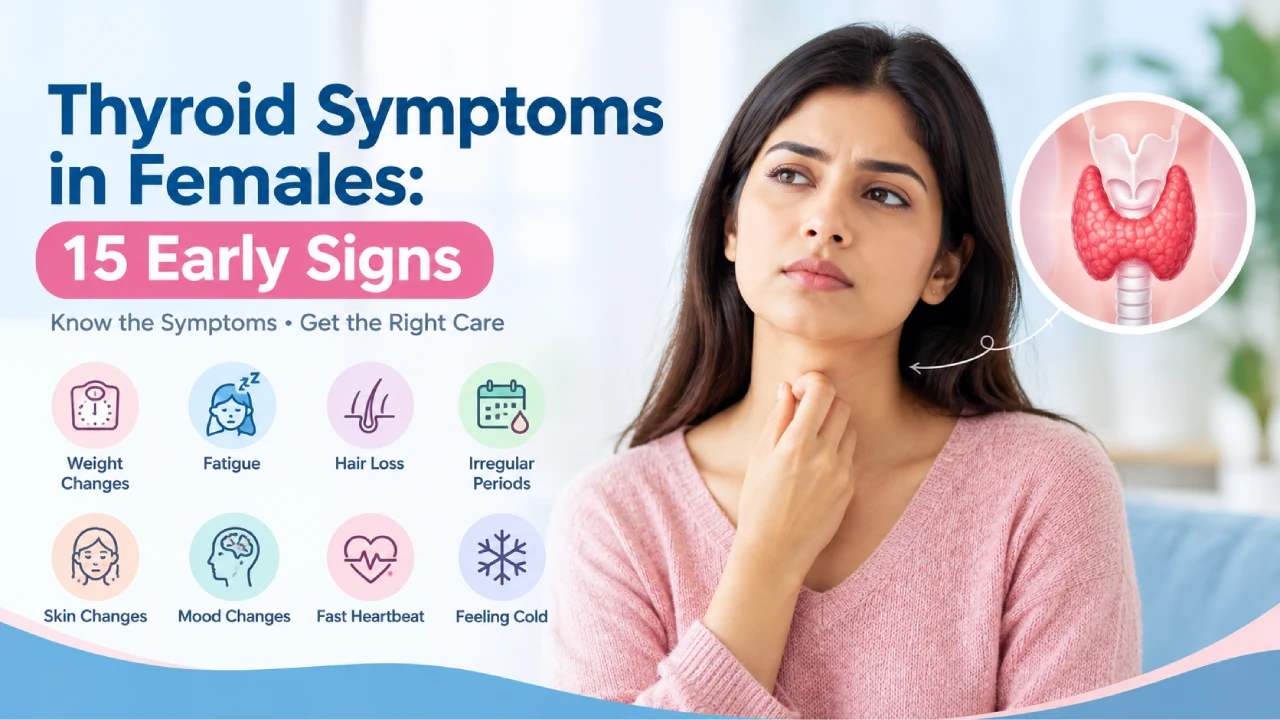
What Are the Symptoms of Thyroid Problems in Females? 15 Early Signs to Know

The thyroid is a small, butterfly-shaped gland at the front of your neck. Though it is small, it helps control your metabolism, energy levels, heart rate, body temperature and mood. Thyroid problems are more common in women than in men, and hormonal stages such as periods, pregnancy and menopause can make the effects more noticeable.

Thyroid symptoms in females are easy to overlook. Tiredness is blamed on a busy schedule, hair fall on the weather, and weight gain on age. As a result, many women go months or even years without being tested.

In this guide, we explain the early signs of thyroid problems, the difference between an underactive and an overactive thyroid, the tests used for diagnosis, and when to see a doctor. For a broader overview, you can also read our thyroid problems in women symptoms guide.


What Are the Early Symptoms of Thyroid Problems in Females?

The thyroid can produce too little hormone (hypothyroidism) or too much (hyperthyroidism). The symptoms can differ, but some early signs are common to both:

1. Unexplained weight gain or weight loss Gaining weight without eating more, or losing weight without trying, is one of the most common signs.

2. Constant tiredness and weakness Feeling exhausted even after a full night’s sleep.

3. Hair loss and dry skin Thinning or excessive hair fall, rough or dry skin and brittle nails.

4. Mood changes and difficulty concentrating Irritability, low mood, anxiety, forgetfulness or “brain fog”.

5. Irregular menstrual periods Periods that are late, very heavy, very light or missed.


15 Early Signs of Thyroid Problems in Women: Quick List

# Signs & Symptoms More Common In
01 Unexplained weight gain Hypothyroidism
02 Unexplained weight loss Hyperthyroidism
03 Persistent tiredness Both
04 Hair thinning or hair fall Both
05 Dry, rough skin Hypothyroidism
06 Feeling cold all the time Hypothyroidism
07 Heat intolerance and excess sweating Hyperthyroidism
08 Constipation Hypothyroidism
09 Frequent loose stools Hyperthyroidism
10 Fast or pounding heartbeat Hyperthyroidism
11 Anxiety and hand tremors Hyperthyroidism
12 Low mood or depression Hypothyroidism
13 Trouble sleeping Hyperthyroidism (sometimes hypothyroidism)
14 Changes in periods Both
15 Swelling or lump in the neck (goitre) Both

Having one or two of these symptoms does not mean you have a thyroid problem. Many of them also occur in other conditions, so proper testing is important.


Symptoms of Hypothyroidism in Women (Underactive Thyroid)

In hypothyroidism, the thyroid gland produces too little hormone and the body’s metabolism slows down.

Common symptoms include:

  • Feeling cold when others feel comfortable
  • Constipation
  • Weight gain and fatigue
  • Heavy or prolonged periods
  • Hair thinning and dry skin
  • Puffiness of the face
  • A hoarse or deeper voice
  • Muscle aches, joint pain and stiffness
  • A slow heart rate
  • Poor memory, low concentration and low mood

For more detail, read our guide to hypothyroidism (underactive thyroid) symptoms in women. If you also have joint pain, you can learn about our joint pain treatment services.


Symptoms of Hyperthyroidism in Women (Overactive Thyroid)

In hyperthyroidism, the thyroid gland produces too much hormone and the body’s metabolism speeds up.

Common symptoms include:

  • Fast or irregular heartbeat (palpitations)
  • Excessive sweating and heat intolerance
  • Anxiety, restlessness and trembling hands
  • Difficulty sleeping
  • Weight loss despite a normal or increased appetite
  • More frequent bowel movements
  • Lighter or irregular periods
  • Muscle weakness, especially in the thighs and upper arms
  • In some cases, bulging eyes (seen in Graves’ disease)

To learn more, read about hyperthyroidism symptoms in women.


Can Thyroid Problems Affect Periods and Fertility?

Yes. Thyroid hormones directly influence the menstrual cycle and ovulation.

Effects on periods:

  • Hypothyroidism may cause heavy, prolonged or more frequent periods, or sometimes delayed periods.
  • Hyperthyroidism may cause light, infrequent or irregular periods.

Effects on fertility and pregnancy:

  • Thyroid imbalance can affect ovulation, which may make it harder to conceive.
  • Poorly controlled thyroid disease during pregnancy can increase risks for both mother and baby.
  • Women planning a pregnancy, or who are already pregnant, should ask their doctor about thyroid testing.

For scans during pregnancy, you can learn about our pregnancy ultrasound service.


What Causes Thyroid Problems in Females?

1. Autoimmune thyroid conditions The most common cause is when the immune system attacks the thyroid gland.

  • Hashimoto’s thyroiditis is the most common cause of hypothyroidism.
  • Graves’ disease is the most common cause of hyperthyroidism.

2. Family history and other risk factors

  • A family history of thyroid disease
  • Being female, especially after the age of 30 to 35
  • The period after pregnancy (postpartum thyroiditis)
  • Menopause
  • Type 1 diabetes or other autoimmune conditions

3. Iodine imbalance and other medical causes

  • Too little or too much iodine
  • Thyroid nodules or goitre
  • Previous thyroid surgery or radiation treatment
  • Certain medicines that affect thyroid function

Do not take iodine supplements or thyroid medicines without a doctor’s advice.


Which Tests Diagnose Thyroid Problems?

1. TSH test (usually the first test) TSH is a hormone released by the brain that signals the thyroid to work. It is usually high in hypothyroidism and low in hyperthyroidism.

2. Free T4 test This measures the level of thyroid hormone circulating in the blood.

3. Additional tests when medically indicated

  • Free T3
  • Anti-TPO antibodies, to check for autoimmune thyroid disease
  • Thyroid ultrasound, for swelling or nodules
  • In some cases, a thyroid scan or FNAC

Your doctor is the best person to interpret your report, because normal ranges can vary between laboratories and individual situations. You can learn about our lab tests and diagnostic services here.


How Are Thyroid Problems Treated?

Treatment depends on whether the thyroid is underactive or overactive, and on the underlying cause.

Underactive thyroid (hypothyroidism):

  • Most patients are given a thyroid hormone replacement tablet.
  • The dose is set according to blood tests and adjusted over time.
  • Never stop or change the dose without medical advice.

Overactive thyroid (hyperthyroidism):

  • Doctors may prescribe anti-thyroid medicines.
  • Radioactive iodine treatment or surgery may be considered if needed.
  • Separate medicines may be used to control symptoms such as a rapid heartbeat or tremors.

Why does treatment depend on the diagnosis? The two conditions need opposite treatments. The wrong medicine, or treatment without testing, can make the problem worse. That is why self-treatment is not advised.

A healthy diet, regular exercise, good sleep and stress management also support overall health. You can learn more about thyroid care at our clinic here: Thyroid Treatment in Rohru.


When Should You See a Doctor?

See a doctor if:

  • Fatigue, weight change or hair loss lasts for more than a few weeks
  • Your periods become very irregular, very heavy or stop
  • You notice swelling or a lump in the neck, or have difficulty swallowing
  • Your heartbeat feels very fast or irregular
  • You are planning a pregnancy or are pregnant
  • You have a family history of thyroid disease
  • You already take thyroid medicine but your symptoms continue

Seek urgent medical help if you have chest pain, breathlessness, fainting or a very rapid heartbeat.

You can book an appointment here or learn about Dr. Roohail Sharma. If you are unsure how to pick a doctor, read How to Choose the Best Doctor in Rohru.

Frequently Asked Questions

Common early signs include persistent tiredness, unexplained weight changes, hair fall, mood changes and changes in periods. These can also occur in other conditions, so a blood test is needed to confirm.

Yes. Both an underactive and an overactive thyroid can cause thinning or excessive hair fall. Once the thyroid is controlled, hair often improves over a few months.

Yes. An underactive thyroid slows metabolism and can lead to weight gain. However, weight gain alone should not automatically be blamed on the thyroid.

Yes. Hypothyroidism can cause heavy or prolonged periods, while hyperthyroidism can cause light or irregular periods.

The first test is usually TSH. Free T4 is often added, and Free T3 or Anti-TPO may be advised when needed.

Some types, such as temporary thyroiditis, may resolve with or without treatment. In many permanent cases, medicines keep the thyroid under control and most women can lead a normal life.


A general physician or an endocrinologist. You can begin with your general doctor for initial testing and treatment.

Medical disclaimer: This article is for information only and is not a substitute for professional medical advice. Please consult a qualified doctor for diagnosis and treatment of thyroid problems.

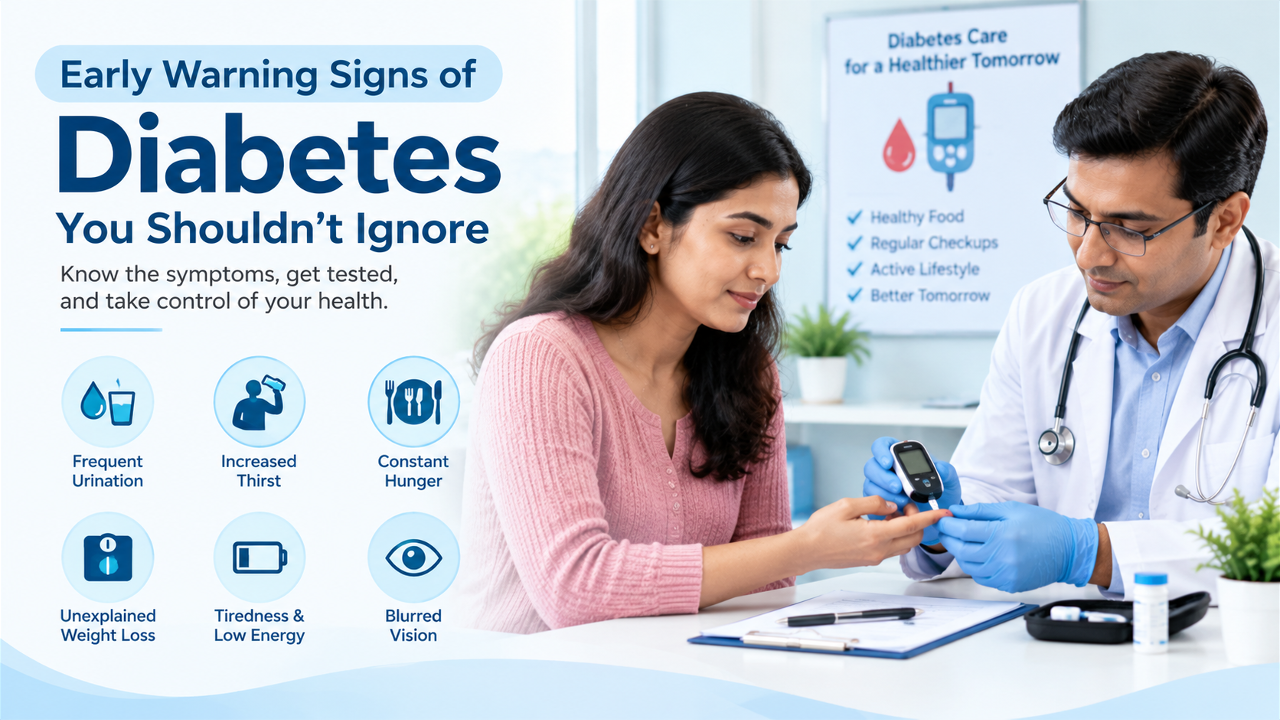
Early Warning Signs of Diabetes You Shouldn’t Ignore

Diabetes often starts quietly. Many people live with high blood sugar for years without knowing it, because early symptoms are mild and easy to blame on stress, age, or a busy routine. By the time the diagnosis comes, some people already have damage to their eyes, kidneys, nerves, or heart. Knowing the early signs of diabetes, and getting tested on time, is one of the simplest ways to protect your long-term health.

What Happens in Your Body When Blood Sugar Is High?

Your body uses a hormone called insulin to move sugar (glucose) from your blood into your cells for energy. In diabetes, either the body doesn’t make enough insulin or can’t use it properly. Sugar then builds up in the blood, and your kidneys try to flush the extra out through urine. That single process explains many of the classic symptoms below: more urination, more thirst, and tiredness because your cells aren’t getting the energy they need.

10 Early Signs of Diabetes

1. Frequent urination
Passing urine much more often than usual, especially at night, is one of the earliest signs. Your kidneys are working to remove excess sugar.

2. Constant thirst
Losing extra fluid through urine leaves you dehydrated, so you feel thirsty and dry-mouthed even after drinking.

3. Unusual hunger
Even after eating, you may feel hungry because your cells aren’t getting enough glucose.

4. Unexplained weight loss
Losing weight without trying, despite eating normally, can happen when the body burns fat and muscle for energy instead.

5. Tiredness and weakness
Feeling drained all the time, even after rest, is very common when cells are starved of energy.

6. Blurred vision
High blood sugar can cause fluid shifts in the eye, making vision blurry. This is often temporary at first but should never be ignored.

7. Slow-healing cuts and wounds
High sugar affects blood flow and the body’s healing ability, so small cuts, sores, or bruises take longer to heal.

8. Frequent infections
Repeated skin infections, urinary tract infections, gum problems, or fungal infections can point to high blood sugar.

9. Tingling or numbness in hands and feet
Over time, high sugar can irritate nerves, causing tingling, burning, or numbness, usually in the feet first.

10. Dark patches of skin
Darker, velvety patches on the neck, armpits, or groin (called acanthosis nigricans) can signal insulin resistance, often before diabetes develops.

Having one symptom does not mean you have diabetes, but having several together, or any of them persisting, is a good reason to get a simple blood test.

Symptoms of High Blood Sugar

When blood sugar is very high, symptoms can get stronger. Watch for:

  • Intense thirst and very frequent urination
  • Nausea or vomiting
  • Fruity-smelling breath
  • Rapid breathing
  • Confusion or extreme drowsiness
  • Stomach pain

These can be signs of a medical emergency such as diabetic ketoacidosis, especially in someone already diagnosed with diabetes. Seek urgent medical care if they appear. Our emergency medical facilities in Rohru are available for urgent situations.

Prediabetes Symptoms: The Warning Stage

Prediabetes means blood sugar is higher than normal but not yet high enough to be called diabetes. The key point is that prediabetes usually has no symptoms at all, which is why so many people miss it. When signs do appear, they are often subtle:

  • Dark patches on the skin around the neck or armpits
  • Increased tiredness
  • Slightly increased thirst or urination
  • Skin tags appearing in the neck or armpit area

Prediabetes is the best time to act. With changes in diet, activity, and weight, many people can prevent or delay type 2 diabetes entirely.

How to Know If You Have Diabetes

Symptoms alone cannot confirm diabetes. Only a blood test can. The common tests are:

  • Fasting blood sugar: measured after at least 8 hours without food
  • HbA1c: shows your average blood sugar over the past 2 to 3 months, and needs no fasting
  • Random blood sugar: measured at any time, usually along with symptoms
  • Oral glucose tolerance test: sugar is measured before and after a glucose drink

According to widely used guidelines, a fasting sugar of 126 mg/dL or higher, or an HbA1c of 6.5% or higher, indicates diabetes, while a fasting sugar of 100 to 125 mg/dL or HbA1c of 5.7% to 6.4% suggests prediabetes. Exact interpretation should always be done by your doctor, who will consider repeat testing and your overall health.

You can get these tests at our lab tests and diagnostic center in Rohru, including sugar tests and HbA1c, without traveling to Shimla.

Diabetes Risk Factors

Some people are more likely to develop type 2 diabetes. Your risk is higher if you:

  • Have a family history of diabetes (parent or sibling)
  • Are overweight, especially with extra weight around the belly
  • Are physically inactive
  • Are over 35 to 40 years of age (South Asians can develop diabetes earlier and at lower body weights)
  • Have high blood pressure or high cholesterol
  • Had gestational diabetes during pregnancy
  • Have PCOS (polycystic ovary syndrome)
  • Eat a diet high in refined carbohydrates and sugary foods

If you have two or more of these, regular screening, even without symptoms, is a smart habit.

Can Diabetes Be Prevented or Reversed?

Type 2 diabetes can often be prevented or delayed with lifestyle changes. Type 1 diabetes cannot be prevented. For type 2, helpful steps include:

  • Eating more vegetables, whole grains, and protein, and cutting back on sugary drinks and refined foods
  • Walking or exercising at least 30 minutes most days
  • Losing even a modest amount of weight if overweight
  • Sleeping well and managing stress
  • Avoiding smoking and limiting alcohol

Some people with early type 2 diabetes achieve remission through major lifestyle changes, but this needs medical supervision, and diabetes can return if old habits come back. Never stop prescribed medicines on your own.

According to the World Health Organization, healthy diet, regular physical activity, maintaining a normal body weight, and avoiding tobacco can prevent or delay type 2 diabetes.

Why Early Detection Matters

Untreated high blood sugar slowly damages blood vessels and nerves. Over the years it can lead to:

  • Heart disease and stroke
  • Kidney damage
  • Eye damage that can lead to vision loss
  • Nerve damage and foot problems
  • Slow-healing wounds and infections

The earlier diabetes is found, the easier it is to control and the lower the risk of these complications. Diabetes also often goes hand in hand with other conditions, so it’s worth checking blood pressure and thyroid health at the same time, as thyroid disorders are also common (see our guide to thyroid problems in women).

When to See a Doctor

Book a test if you notice:

  • Increased thirst, frequent urination, or unexplained weight loss
  • Constant tiredness or blurred vision
  • Cuts or infections that heal slowly
  • Tingling or numbness in your hands or feet
  • Dark skin patches on your neck or armpits
  • A family history of diabetes combined with other risk factors

Even without symptoms, adults over 35, or younger adults with risk factors, should get screened regularly.

How Shanti Clinic Can Help

At Shanti Clinic in Rohru, you can get tested, diagnosed, and treated in one place. Our diabetes treatment services cover diagnosis, treatment planning, diet and lifestyle guidance, and regular monitoring. Our lab tests and diagnostic center offers fasting and random sugar tests and HbA1c, so you can get answers quickly and close to home.

Frequently Asked Questions

The most common early signs are frequent urination, constant thirst, increased hunger, tiredness, blurred vision, and slow-healing wounds. Some people have no symptoms at all.

Yes. Type 2 diabetes and prediabetes often cause no noticeable symptoms for years, which is why regular screening matters, especially if you have risk factors.


In prediabetes, blood sugar is higher than normal but below the diabetes range. It is a warning stage that can often be reversed with lifestyle changes. Diabetes is diagnosed when levels cross the diabetes threshold on repeated tests.


A home glucometer can give a quick reading, but diagnosis needs laboratory tests such as fasting sugar or HbA1c, interpreted by a doctor.


Family history raises your risk, especially for type 2 diabetes, but lifestyle plays a major role. Many people with a family history avoid diabetes by staying active and keeping a healthy weight.


No. HbA1c doesn’t require fasting, because it reflects your average sugar over the past few months.


Adults are generally advised to start screening around age 35, and earlier if overweight or with other risk factors. Ask your doctor what suits you.


Type 2 diabetes can sometimes go into remission with major lifestyle changes, but it needs ongoing monitoring. Type 1 diabetes always needs insulin. Treatment should always be guided by a doctor.


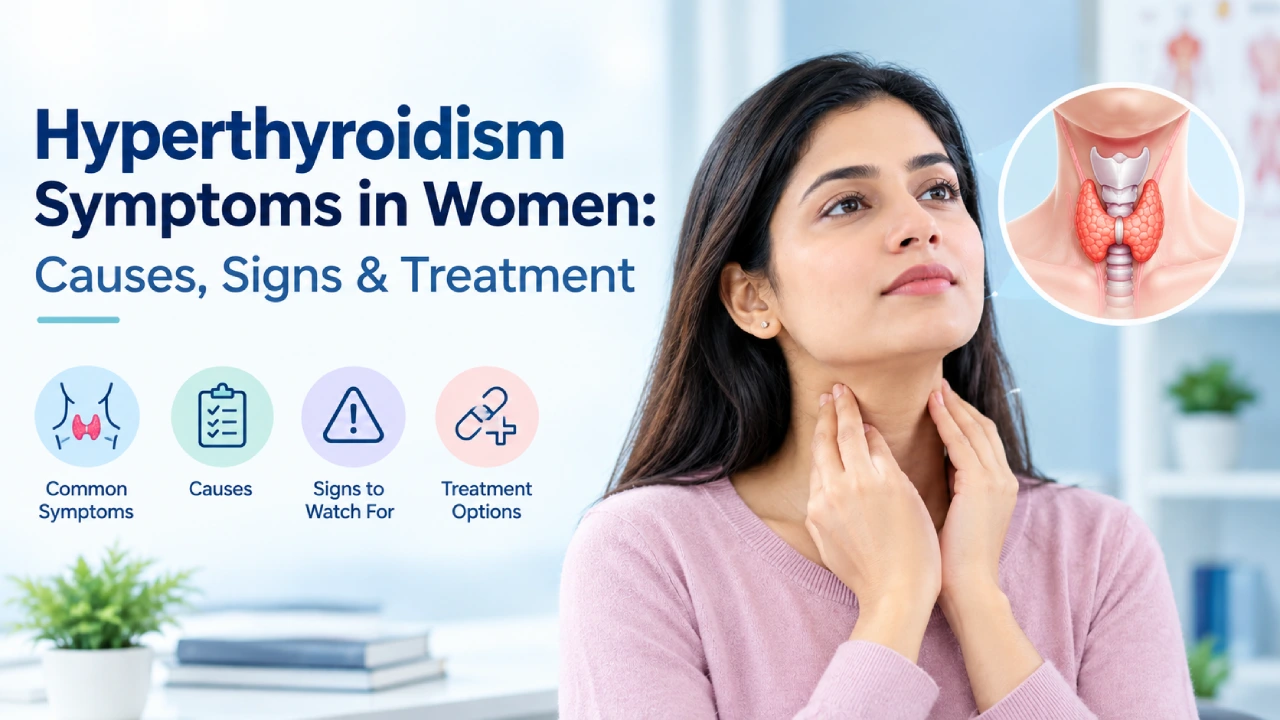
Hyperthyroidism Symptoms in Women: Causes, Signs & Treatment

Thyroid disorders are among the most commonly missed health conditions in women — often mistaken for stress, weight fluctuation, or simply “getting older.” The thyroid, a small gland in your neck, controls metabolism, energy, mood, and much more. When it doesn’t function properly, the effects can show up in almost every part of the body. This guide covers the two main types of thyroid problems, their symptoms, and when it’s time to get tested.

Why Are Thyroid Problems More Common in Women?

Women are significantly more likely than men to develop thyroid conditions — largely due to hormonal factors, pregnancy-related changes, and autoimmune tendencies that are more common in women. According to the American Thyroid Association, women are up to eight times more likely than men to develop a thyroid condition, with issues often first appearing or worsening during pregnancy, postpartum, and around menopause.

The Two Main Types of Thyroid Problems

Thyroid conditions generally fall into two opposite categories, and understanding the difference is the first step to recognizing what you might be dealing with.

Hyperthyroidism (Overactive Thyroid)

This occurs when the thyroid produces too much hormone, speeding up the body’s metabolism. Common signs include unexplained weight loss, rapid heartbeat, excessive sweating, anxiety, and difficulty sleeping. One common cause is Graves’ disease, an autoimmune condition. We’ve covered this condition in full detail, including causes, pregnancy considerations, and treatment, in our dedicated guide on hyperthyroidism symptoms in women.

Hypothyroidism (Underactive Thyroid)

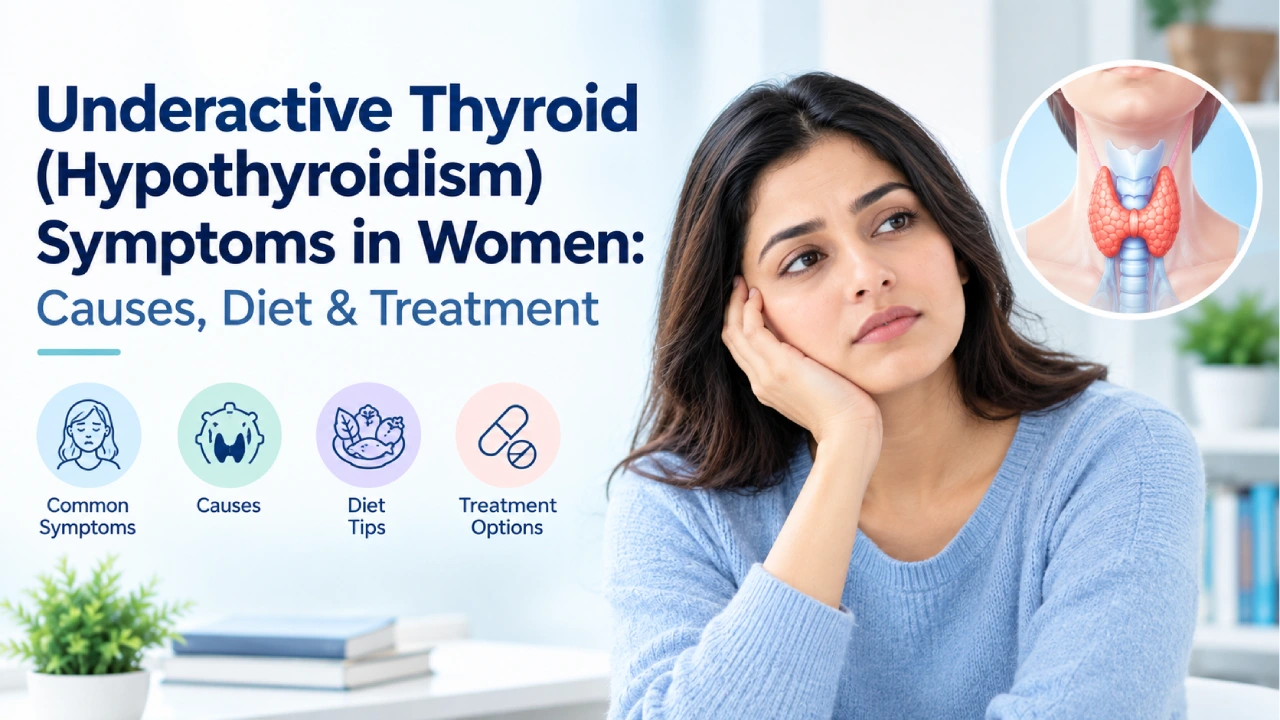
This is the opposite — the thyroid doesn’t produce enough hormone, slowing the body down. Common signs include unexplained weight gain, fatigue, feeling cold, dry skin, and hair thinning. This is actually the more common of the two conditions, especially in women over 40. Our detailed guide on underactive thyroid symptoms in women covers causes, diet, and what your TSH levels mean.

A simple way to remember the difference: hyperthyroidism speeds the body up; hypothyroidism slows it down.

General Symptoms That Signal a Thyroid Problem

Regardless of which type, these symptoms are worth paying attention to — especially if several appear together:

  • Unexplained changes in weight (gain or loss)
  • Persistent fatigue or, conversely, restlessness
  • Changes in heart rate (too fast or too slow)
  • Hair thinning or hair loss
  • Changes in skin texture (too dry or too sweaty)
  • Mood changes — anxiety or depression
  • Irregular menstrual cycles
  • Difficulty with temperature regulation (feeling too hot or too cold)
  • A visible swelling in the neck (goiter)

Because these symptoms overlap with many other conditions, a simple blood test (TSH) is the most reliable way to know what’s actually going on.

How Is Thyroid Function Tested?

A TSH (Thyroid Stimulating Hormone) blood test is the standard first step. Depending on results, your doctor may also check T3 and T4 hormone levels for a complete picture. This is a quick, straightforward blood test available at our lab tests and diagnostic center in Rohru — no need to travel for basic thyroid screening.

Can Thyroid Problems Be Treated?

Yes — both hyperthyroidism and hypothyroidism are manageable conditions, usually with medication, and many people live completely normal lives once properly diagnosed and treated. The key is catching it early, since untreated thyroid conditions can affect heart health, bone density, fertility, and pregnancy outcomes over time.

When Should You Get Tested?

Consider getting a thyroid test if you experience:

  • Several of the symptoms listed above together, especially if they’ve developed gradually
  • A family history of thyroid conditions
  • Irregular periods or fertility concerns
  • Unexplained fatigue or weight changes that don’t match your lifestyle
  • You’re pregnant or planning pregnancy (thyroid function directly affects pregnancy health)

Explore the Specific Condition You May Be Experiencing

Since hyperthyroidism and hypothyroidism have different symptoms, causes, and treatment approaches, we’ve covered each in full detail separately:

How Shanti Clinic Can Help

Our thyroid treatment services in Rohru include testing, diagnosis, and ongoing management for both hyperthyroidism and hypothyroidism — so you don’t need to travel to Shimla for proper thyroid care.

Frequently Asked Questions

Early signs often include unexplained weight loss, a faster heartbeat, anxiety or irritability, heat intolerance, sweating, and trouble sleeping. Lighter or irregular periods are also common.


Yes. Excess thyroid hormone can make hair thinner and cause shedding. It usually improves once thyroid levels are controlled, though regrowth takes a few months.


It can be if left untreated, as it may affect the heart, bones, eyes, and pregnancy. With timely treatment, these risks are largely manageable.


It is treatable and often well controlled. Some people achieve long-term remission, while others need ongoing medication or definitive treatment such as radioactive iodine or surgery. Your doctor will advise based on the cause.


Focus on protein, calcium, vitamin D, fruits, and vegetables. Limit excess iodine and caffeine. Check with your doctor before changing your diet or taking supplements.


It needs careful management. Untreated hyperthyroidism can raise pregnancy risks, but with proper medical supervision most women have healthy pregnancies.


Thyrotoxicosis means too much thyroid hormone in the body from any cause. Hyperthyroidism specifically means an overactive thyroid gland producing too much hormone.


Underactive Thyroid (Hypothyroidism) Symptoms in Women: Causes, Diet & Treatment

Hyperthyroidism Symptoms in Women: What to Watch For and When to Act

Unexplained weight loss despite eating normally, a racing heartbeat, constant anxiety, or trouble sleeping are easy to blame on stress or a busy life. For many women, though, these can be signs of hyperthyroidism, an overactive thyroid. This guide covers the symptoms, causes, diet, pregnancy considerations, and treatment options. It is part of our complete guide to thyroid problems in women.

What Is Hyperthyroidism?

Hyperthyroidism happens when the thyroid gland, a small butterfly-shaped gland in your neck, produces too much thyroid hormone. These hormones control how fast your body uses energy. When there is too much of them, your metabolism speeds up and affects your heart, weight, mood, sleep, and more.

You may also see the term thyrotoxicosis. It means too much thyroid hormone in the body from any cause. Hyperthyroidism is the specific case where an overactive thyroid gland is producing the excess.

Common Hyperthyroidism Symptoms in Women

Symptoms often develop gradually, so many women don’t connect them to the thyroid at first. The most common signs include:

  • Unexplained weight loss even when appetite is normal or increased
  • Rapid or irregular heartbeat, sometimes with palpitations
  • Anxiety, irritability, or restlessness
  • Excessive sweating and intolerance to heat
  • Trouble sleeping, even when you feel tired
  • Tremors, usually a slight shaking in the hands
  • Lighter or irregular menstrual periods
  • Frequent bowel movements
  • Fatigue and muscle weakness, especially in the thighs and upper arms
  • Swelling at the base of the neck (goiter)
  • Thinning hair or hair loss

Several of these appearing together is a stronger signal than any single one. A simple blood test can confirm whether the thyroid is the cause.

Hyperthyroidism and Hair Loss

Hair thinning is a common and distressing symptom for women. Excess thyroid hormone can disrupt the normal hair growth cycle, making hair finer and more likely to shed. The good news is that hair loss caused by hyperthyroidism is usually reversible once thyroid levels are brought under control, though regrowth can take a few months.

What Causes Hyperthyroidism?

Understanding why hyperthyroidism occurs helps in choosing the right treatment. The most common causes are:

Graves’ disease
An autoimmune condition where the immune system stimulates the thyroid to overproduce hormone. It is the most common cause overall and is more common in women.

Thyroid nodules
Overactive lumps in the thyroid (toxic nodules or toxic multinodular goiter) can produce excess hormone on their own.

Thyroiditis
Inflammation of the thyroid can cause stored hormone to leak into the bloodstream, usually causing temporary hyperthyroidism.

Too much iodine or certain medications
Excess iodine intake, or some medications, can trigger an overactive thyroid in susceptible people.

Is Hyperthyroidism Dangerous?

Untreated hyperthyroidism can be serious. Over time it can lead to:

  • Heart rhythm problems such as atrial fibrillation, and heart strain
  • Weakened bones (osteoporosis) from prolonged excess hormone
  • Eye problems in Graves’ disease, including bulging, irritation, or vision changes
  • Pregnancy complications (see below)
  • In rare cases, a severe flare called thyroid storm, which is a medical emergency

With proper diagnosis and treatment, these risks are largely preventable, which is why early testing matters.

Hyperthyroidism and Pregnancy

Thyroid function directly affects pregnancy. Untreated or poorly controlled hyperthyroidism can raise the risk of miscarriage, preterm birth, high blood pressure during pregnancy, and low birth weight. Medication choices during pregnancy are different from usual and need careful medical supervision.

If you are pregnant, planning pregnancy, or recently postpartum and have symptoms like a racing heart, heat intolerance, or weight loss, get your thyroid tested early rather than waiting.

What to Eat With Hyperthyroidism

Diet alone cannot treat hyperthyroidism, but it can support your treatment and overall health. General guidance includes:

Foods that help

  • Calcium and vitamin D-rich foods (milk, curd, leafy greens) to protect bone health
  • Protein-rich foods (dal, eggs, paneer, lean meat), since your body burns through protein faster
  • Cruciferous vegetables such as cabbage, cauliflower, and broccoli
  • Fruits and vegetables for antioxidants and general nutrition

Foods to limit

  • Excess iodine, such as seaweed, kelp supplements, and large amounts of iodized salt, which can worsen overactivity in some people
  • Caffeine, which can worsen palpitations, anxiety, and sleep trouble
  • Highly processed, sugary foods that add calories without nutrition

Always check with your doctor before making major dietary changes or taking supplements, since the right approach depends on the cause of your hyperthyroidism.

Is Hyperthyroidism Treatable or Curable?

Hyperthyroidism is treatable, and for many people the condition can be brought fully under control or resolved. The right approach depends on the cause, severity, age, and whether you are pregnant. Common treatment options include:

  • Anti-thyroid medicines that reduce how much hormone the thyroid produces
  • Beta-blockers, which ease symptoms like palpitations and tremors while other treatment takes effect
  • Radioactive iodine therapy, which reduces thyroid activity
  • Surgery (thyroidectomy) in selected cases

Treatment must be chosen and monitored by a doctor, as medicine type and duration vary by person. According to the American Thyroid Association, hyperthyroidism is effective to treat once properly diagnosed, and most people see significant improvement with the right care.

Can Hyperthyroidism Turn Into Hypothyroidism?

Yes, in some cases. Treatments like radioactive iodine or surgery can lower hormone production enough that the thyroid becomes underactive afterward. Some forms of thyroid inflammation also swing from overactive to underactive over time. This is why regular follow-up blood tests matter after treatment. If you notice the opposite symptoms developing, such as weight gain, fatigue, or feeling cold, read our guide on underactive thyroid symptoms in women.

When to See a Doctor

Book a consultation if you notice:

  • Unexplained weight loss, rapid heartbeat, or persistent anxiety
  • Several of the symptoms above appearing together
  • A visible lump or swelling in your neck
  • Heart palpitations, chest discomfort, or shortness of breath (seek care promptly)
  • Symptoms during pregnancy or after delivery
  • A family history of thyroid disease

A TSH blood test is the standard first step, and it is quick and simple.

How Shanti Clinic Can Help

At Shanti Clinic in Rohru, you can get tested and treated in one place. Our lab tests and diagnostic center offers thyroid blood tests including TSH, and our thyroid treatment services provide diagnosis, medication planning, and ongoing monitoring, so you don’t have to travel to Shimla for routine thyroid care.

Frequently Asked Questions

Early signs often include tiredness, weight gain, feeling cold, dry skin, constipation, thinning hair, and heavier or irregular periods. They tend to develop slowly.


Yes. A slower metabolism and fluid retention can cause modest weight gain. Treatment can help, but it is not a weight loss treatment by itself.


Yes. Low thyroid hormone can make hair dry, brittle, and thin. It usually improves after treatment, though regrowth takes some months.


Many labs use about 0.4 to 4.0 mIU/L as the normal range, but it varies by lab, age, and pregnancy. Have your result reviewed by your doctor.


Usually it is a long-term condition that is well controlled with daily thyroid hormone medicine. A few temporary forms can resolve on their own.


It can raise diastolic blood pressure in some people, so the two are sometimes found together. Both should be monitored.


The symptoms overlap, and both can occur together. Blood tests, including TSH and hemoglobin, can tell them apart.


Untreated hypothyroidism can affect fertility and pregnancy outcomes, but with proper treatment and monitoring most women have healthy pregnancies.


Thyroid Problems in Women: A Complete Guide to Symptoms and Care

Thyroid disorders are among the most commonly missed health conditions in women — often mistaken for stress, weight fluctuation, or simply “getting older.” The thyroid, a small gland in your neck, controls metabolism, energy, mood, and much more. When it doesn’t function properly, the effects can show up in almost every part of the body. This guide covers the two main types of thyroid problems, their symptoms, and when it’s time to get tested.

Why Are Thyroid Problems More Common in Women?

Women are significantly more likely than men to develop thyroid conditions — largely due to hormonal factors, pregnancy-related changes, and autoimmune tendencies that are more common in women. According to the American Thyroid Association, women are up to eight times more likely than men to develop a thyroid condition, with issues often first appearing or worsening during pregnancy, postpartum, and around menopause.

The Two Main Types of Thyroid Problems

Thyroid conditions generally fall into two opposite categories, and understanding the difference is the first step to recognizing what you might be dealing with.

Hyperthyroidism (Overactive Thyroid)

This occurs when the thyroid produces too much hormone, speeding up the body’s metabolism. Common signs include unexplained weight loss, rapid heartbeat, excessive sweating, anxiety, and difficulty sleeping. One common cause is Graves’ disease, an autoimmune condition. We’ve covered this condition in full detail, including causes, pregnancy considerations, and treatment, in our dedicated guide on hyperthyroidism symptoms in women.

Hypothyroidism (Underactive Thyroid)

This is the opposite — the thyroid doesn’t produce enough hormone, slowing the body down. Common signs include unexplained weight gain, fatigue, feeling cold, dry skin, and hair thinning. This is actually the more common of the two conditions, especially in women over 40. Our detailed guide on underactive thyroid symptoms in women covers causes, diet, and what your TSH levels mean.

A simple way to remember the difference: hyperthyroidism speeds the body up; hypothyroidism slows it down.

General Symptoms That Signal a Thyroid Problem

Regardless of which type, these symptoms are worth paying attention to — especially if several appear together:

  • Unexplained changes in weight (gain or loss)
  • Persistent fatigue or, conversely, restlessness
  • Changes in heart rate (too fast or too slow)
  • Hair thinning or hair loss
  • Changes in skin texture (too dry or too sweaty)
  • Mood changes — anxiety or depression
  • Irregular menstrual cycles
  • Difficulty with temperature regulation (feeling too hot or too cold)
  • A visible swelling in the neck (goiter)

Because these symptoms overlap with many other conditions, a simple blood test (TSH) is the most reliable way to know what’s actually going on.

How Is Thyroid Function Tested?

A TSH (Thyroid Stimulating Hormone) blood test is the standard first step. Depending on results, your doctor may also check T3 and T4 hormone levels for a complete picture. This is a quick, straightforward blood test available at our lab tests and diagnostic center in Rohru — no need to travel for basic thyroid screening.

Can Thyroid Problems Be Treated?

Yes — both hyperthyroidism and hypothyroidism are manageable conditions, usually with medication, and many people live completely normal lives once properly diagnosed and treated. The key is catching it early, since untreated thyroid conditions can affect heart health, bone density, fertility, and pregnancy outcomes over time.

When Should You Get Tested?

Consider getting a thyroid test if you experience:

  • Several of the symptoms listed above together, especially if they’ve developed gradually
  • A family history of thyroid conditions
  • Irregular periods or fertility concerns
  • Unexplained fatigue or weight changes that don’t match your lifestyle
  • You’re pregnant or planning pregnancy (thyroid function directly affects pregnancy health)

Explore the Specific Condition You May Be Experiencing

Since hyperthyroidism and hypothyroidism have different symptoms, causes, and treatment approaches, we’ve covered each in full detail separately:

How Shanti Clinic Can Help

Our thyroid treatment services in Rohru include testing, diagnosis, and ongoing management for both hyperthyroidism and hypothyroidism — so you don’t need to travel to Shimla for proper thyroid care.

Frequently Asked Questions

Hyperthyroidism means the thyroid is overactive, speeding up metabolism (weight loss, rapid heartbeat). Hypothyroidism means it's underactive, slowing metabolism down (weight gain, fatigue).


Hypothyroidism is generally more common, particularly in women over 40, though hyperthyroidism also occurs and shouldn't be ruled out based on age alone.


Yes — untreated thyroid conditions can affect fertility and pregnancy outcomes, which is why testing is often recommended for women planning pregnancy or already pregnant.


No — it's a simple blood test (TSH), similar to any routine blood draw, with no special preparation required in most cases.

Most thyroid conditions are managed rather than "cured," but with proper medication and monitoring, people live full, normal lives with well-controlled symptoms.


Yes, we treat thyroid disorders in patients of all ages and genders, offering personalized care based on individual health needs.


Common Skin Problems in Himachal’s Hill Weather

Living in a hill region like Rohru or elsewhere in Himachal Pradesh comes with a unique set of skin challenges that people in warmer, plain areas simply don’t deal with. Cold, dry air, big temperature swings between day and night, and long winters all take a toll on skin health. Here’s what causes the most common hill-weather skin problems, how to manage them at home, and when it’s time to see a dermatologist.

Why Hill Weather Affects Skin Differently

Himachal’s climate is different from the plains in a few specific ways that directly impact skin:

Lower humidity, especially in winter
Cold mountain air holds far less moisture than warmer regions. This constantly pulls moisture out of your skin, leading to dryness that’s more persistent than typical seasonal dryness elsewhere.

Sharp temperature swings
Moving between cold outdoor air and heated indoor spaces (or unheated hill homes with wood fires) repeatedly stresses the skin barrier, making it harder for skin to retain natural oils and moisture.

Higher UV exposure at altitude
Many people don’t realize that UV radiation is actually stronger at higher altitudes, since there’s less atmosphere to filter it. This means sun damage and related skin issues can be more pronounced in hill regions, even in cooler weather.

Prolonged winters
Longer cold seasons mean skin spends more months of the year dealing with dryness and irritation compared to areas with shorter winters.

Dry Skin Problems in Winter

This is the most common complaint in hill regions during colder months. Cold air combined with indoor heating (or fires) strips natural oils from the skin, leading to:

  • Rough, flaky patches, especially on hands, arms, and legs
  • Tightness or a “stretched” feeling after washing
  • Cracked skin on heels, fingertips, or knuckles in severe cases
  • Increased itching, particularly at night

Untreated, severely dry skin can crack deeply enough to become painful or even prone to minor infections.

Skin Allergy Causes and Treatment

Allergic reactions tend to flare up more in hill weather due to a combination of factors: dry skin is more reactive to irritants, wood smoke from indoor fires can trigger reactions, and seasonal plant pollen varies by altitude and region. Common signs of a skin allergy include:

  • Red, itchy patches that appear suddenly
  • Small bumps or hives
  • Swelling in localized areas
  • Reaction after exposure to new soaps, wool clothing, or smoke

Identifying the specific trigger — whether it’s a fabric, product, or environmental factor — is key to managing allergic skin reactions long-term, rather than just treating symptoms repeatedly.

Common Skin Infections in Monsoon

While winter brings dryness, Himachal’s monsoon season brings a different set of skin concerns. Increased humidity and moisture create ideal conditions for:

  • Fungal infections, particularly in skin folds (underarms, groin, between toes)
  • Bacterial infections from minor cuts or insect bites that don’t dry out properly
  • Heat rash in humid, lower-altitude areas during warmer monsoon spells

Keeping skin dry, wearing breathable fabrics, and treating minor cuts promptly all help prevent monsoon-related skin infections from developing.

How to Treat Dry and Cracked Skin

For winter dryness specifically, these steps genuinely help:

Moisturize immediately after washing
Apply moisturizer within a few minutes of bathing or washing hands, while skin is still slightly damp — this locks in moisture far more effectively than applying it to fully dry skin.

Choose thicker, oil-based moisturizers in winter
Lighter lotions often aren’t enough for hill-region winter dryness. Look for cream or ointment-based moisturizers rather than thin, water-based lotions during colder months.

Avoid very hot water
Hot showers feel good in cold weather but strip natural oils faster than warm water, worsening dryness over time.

Protect skin from wind and cold directly
Covering exposed skin (hands, face) when outside in cold wind helps prevent the sharp moisture loss that direct cold exposure causes.

Treat cracked areas promptly
For cracked heels or knuckles, a thicker healing ointment applied consistently — not just occasionally — helps prevent cracks from deepening or becoming infected.

Stay hydrated internally too
Drinking enough water, even when you don’t feel as thirsty in cold weather, supports skin’s ability to retain moisture from the inside.

When to See a Dermatologist

Home care handles most mild, seasonal skin issues, but you should see a doctor if you notice:

  • Cracks deep enough to bleed or that don’t heal within a week or two
  • Signs of infection — increasing redness, warmth, swelling, or pus
  • Allergic reactions that spread or worsen despite avoiding the suspected trigger
  • Persistent itching that disrupts sleep or daily activity
  • Skin changes that don’t resolve with consistent home care over several weeks
  • Any unusual mole, spot, or lesion that changes in size, shape, or color

Ongoing skin issues shouldn’t be dismissed as “just the weather” — proper evaluation can catch underlying conditions like eczema, psoriasis, or fungal infections that need targeted treatment rather than general skin care.

How Shanti Clinic Can Help

If home care isn’t resolving your skin concerns, our skin care services in Rohru offer proper diagnosis and treatment for dry skin conditions, allergic reactions, and infections common to hill-region weather. For more specific concerns like acne scarring or pigmentation, our laser skin treatment service is also available — all without needing to travel to Shimla for dermatological care.

Frequently Asked Questions

1. Why is my skin drier in Himachal compared to the plains?
Lower humidity, colder air, and prolonged winters in hill regions pull moisture from skin more aggressively than in warmer, more humid plain areas.

2. Is sun protection necessary in cold hill weather?
Yes — UV radiation is actually stronger at higher altitudes due to thinner atmosphere, so sun protection matters even in cooler temperatures.

3. What’s the best moisturizer for winter skin in hill areas?
Thicker, cream or ointment-based moisturizers work better than light lotions for hill-region winter dryness, especially when applied right after washing.

4. Can indoor wood fires make skin problems worse?
Yes — smoke exposure can dry out and irritate skin, and sudden temperature changes between a warm fire and cold outdoor air can stress the skin barrier further.

5. How do I know if a skin issue is an allergy or an infection?
Allergies typically appear suddenly after exposure to a trigger and may include itching and hives, while infections often come with increasing redness, warmth, swelling, or pus. A doctor can confirm which you’re dealing with.

6. When should cracked heels or hands be treated by a doctor instead of home care?
If cracks are deep enough to bleed, aren’t improving within a week or two of consistent moisturizing, or show signs of infection, it’s time for a professional evaluation.

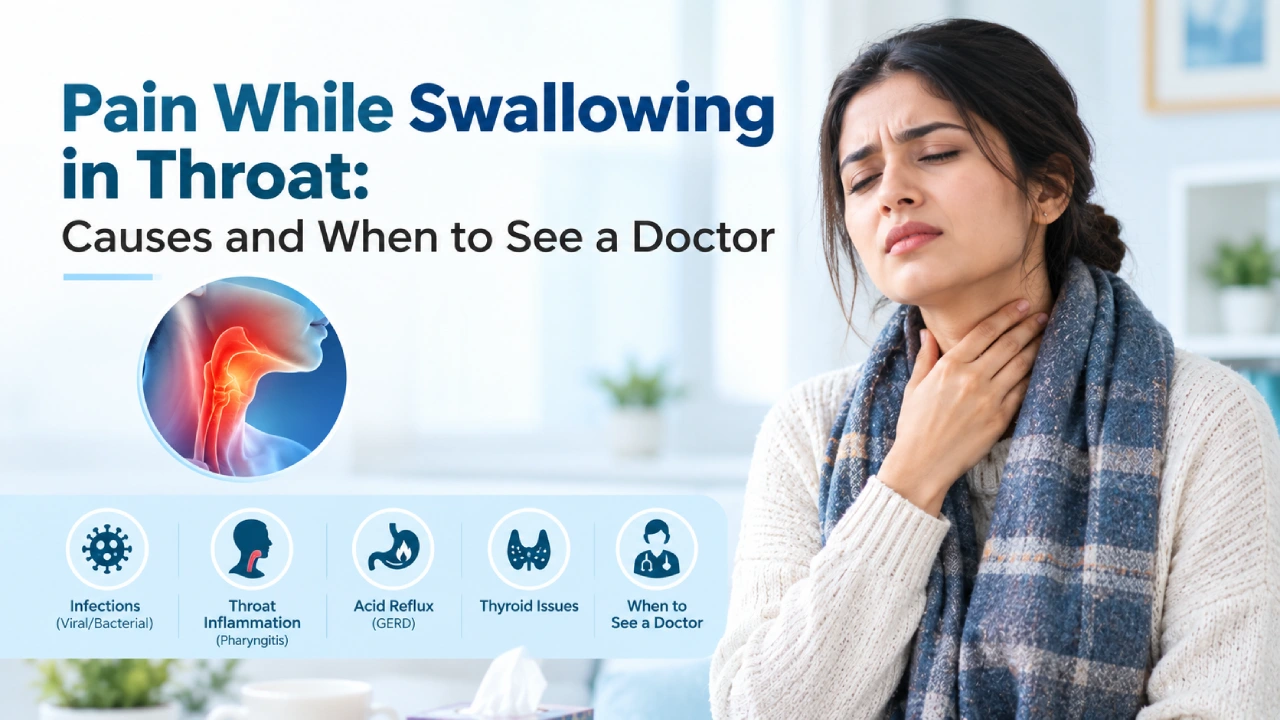
Pain While Swallowing in Throat: Causes and When to See a Doctor

That sharp or burning sensation every time you swallow — whether it’s food, water, or even your own saliva — can range from mildly annoying to genuinely alarming. Pain while swallowing, medically known as odynophagia, has several possible causes, from a simple cold to conditions that need proper medical attention. Here’s what typically causes it, what you can try at home, and when it’s time to stop waiting it out.

Common Causes of Pain While Swallowing

1. Viral or bacterial throat infections
The most common cause by far. A viral infection (like a common cold or flu) or a bacterial infection (such as strep throat) causes inflammation in the throat lining, making swallowing painful. Bacterial infections often come with additional symptoms like fever and swollen glands.

2. Tonsillitis
Inflammation or infection of the tonsils is a frequent cause of painful swallowing, especially in children and young adults. It often comes with visibly red, swollen tonsils and sometimes white patches.

3. Acid reflux (GERD)
Stomach acid backing up into the esophagus can irritate the throat lining over time, causing a burning pain that worsens when swallowing — particularly after meals or when lying down.

4. Dry or irritated throat
Talking loudly for extended periods, breathing through your mouth (especially during sleep), or simply not drinking enough water can leave the throat dry and irritated, making swallowing uncomfortable without any infection being present.

5. Allergies and post-nasal drip
Seasonal allergies often cause mucus to drip down the back of the throat, leading to irritation and mild pain when swallowing, usually alongside sneezing or a runny nose.

6. Oral thrush or mouth infections
Fungal infections in the mouth or throat, more common in people with weakened immune systems or those on certain medications, can cause pain that extends to swallowing.

7. Enlarged lymph nodes
Swollen lymph nodes in the neck, often a response to infection elsewhere in the body, can make swallowing feel tight or painful.

When Is Throat Pain Serious?

While most causes of painful swallowing are manageable, certain signs suggest you shouldn’t wait it out at home:

  • Pain severe enough that you’re avoiding food or water
  • Difficulty breathing alongside throat pain
  • High fever that doesn’t improve within a day or two
  • Visible pus or white patches on the tonsils
  • Pain lasting more than a week without improvement
  • Blood in saliva or difficulty opening your mouth fully
  • Swelling in the neck or face

If you’re experiencing any of these, it’s a sign to see a doctor rather than continue with home care alone.

Home Remedies for Mild Throat Pain

For milder cases — often viral infections or simple irritation — these can help while your body recovers:

Warm salt water gargle
Mixing half a teaspoon of salt in warm water and gargling several times a day helps reduce throat inflammation and can ease discomfort noticeably within a day or two.

Stay well hydrated
Warm fluids — herbal tea, warm water with honey, or clear soups — soothe the throat lining and keep it from drying out further.

Honey
Honey has natural soothing and mild antibacterial properties. A spoonful of honey, or honey mixed into warm water or tea, can ease throat irritation.

Use a humidifier or steam inhalation
Adding moisture to the air, especially in dry winter conditions common in Himachal Pradesh, helps reduce throat dryness that can worsen swallowing pain.

Avoid irritants
Smoking, alcohol, and very spicy or acidic foods can worsen throat irritation — best avoided until symptoms improve.

Rest your voice
If excessive talking or shouting contributed to the irritation, giving your voice a rest allows the throat lining time to heal.

When to See a Doctor

Home remedies work well for mild, short-term throat irritation, but you should book a medical consultation if:

  • Pain persists beyond 5-7 days
  • You have a high fever alongside throat pain
  • You notice white patches, pus, or significant swelling
  • Swallowing becomes so painful you’re avoiding eating or drinking
  • Pain keeps returning frequently over weeks or months (which could point to reflux or a chronic condition)

A proper examination can determine whether the cause is viral, bacterial, reflux-related, or something else — and bacterial infections in particular often need antibiotics that home remedies alone won’t resolve.

How Shanti Clinic Can Help

If your throat pain isn’t improving with home care, our General OPD services in Rohru provide proper diagnosis and treatment for throat infections, tonsillitis, and related conditions — without needing to travel to Shimla for a routine consultation. If reflux is suspected as the underlying cause, it may also connect to broader digestive health concerns worth evaluating together.

Frequently Asked Questions

1. Why does my throat hurt only when I swallow, not all the time?
This is common with mild throat infections or irritation, where the throat lining is inflamed enough to cause pain during the physical motion of swallowing, but not necessarily at rest.

2. Can acid reflux really cause throat pain?
Yes — acid reflux (GERD) is a common but often overlooked cause of chronic throat irritation and pain while swallowing, especially if it occurs frequently after meals or at night.

3. How long does throat pain from a viral infection usually last?
Most viral throat infections improve within 3-7 days with rest, hydration, and home care. If it persists longer, it’s worth getting checked.

4. Is pain while swallowing always a sign of infection?
No — it can also result from dryness, allergies, acid reflux, or overuse of the voice, none of which involve infection.

5. Should I take antibiotics for throat pain?
Only if a doctor confirms a bacterial infection through examination or testing. Antibiotics don’t help with viral infections, which are actually more common.

6. When should I worry about throat pain in a child?
If a child refuses to eat or drink due to throat pain, has a high fever, or shows visible white patches on the tonsils, see a doctor promptly rather than waiting.

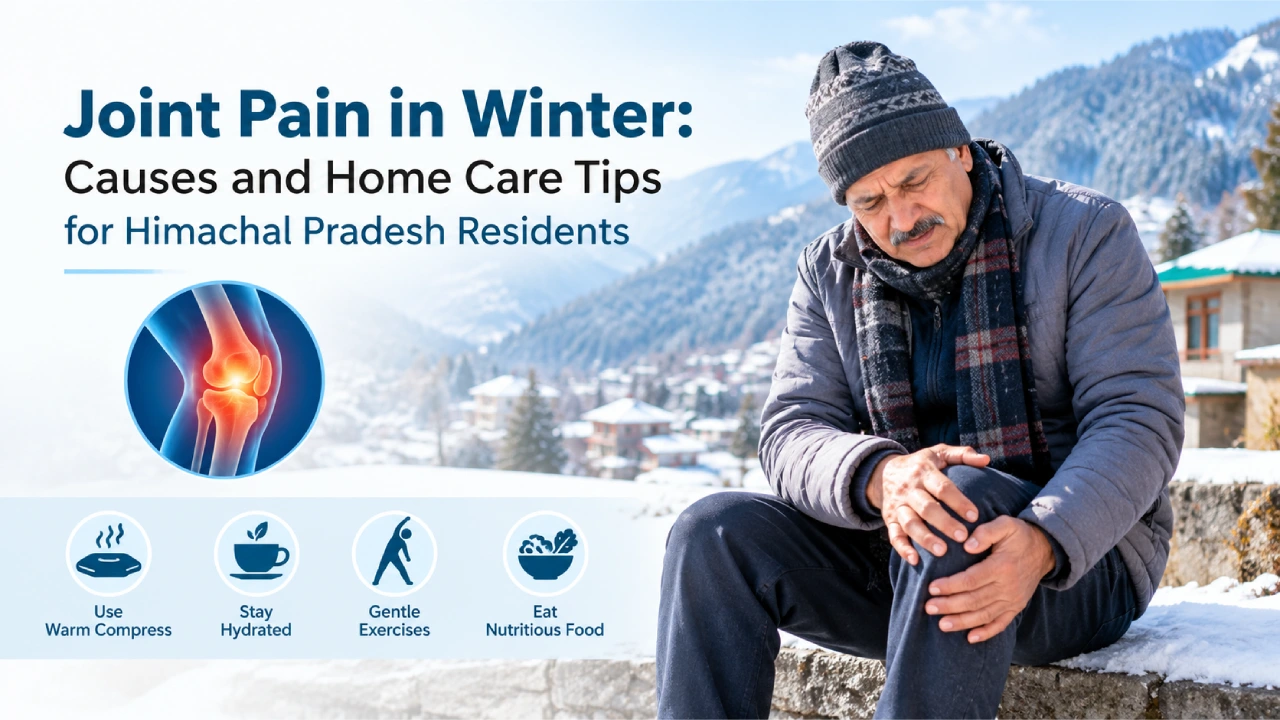
Joint Pain in Winter: Causes and Home Care Tips for Himachal Pradesh Residents

If you notice your knees, shoulders, or fingers acting up the moment the temperature drops, you’re not imagining it. For people living in Rohru, Shimla, and across the hills of Himachal Pradesh, winter joint pain is a genuine seasonal pattern — not just “getting older.” Here’s why it happens, what you can do about it at home, and when it’s time to see a doctor instead of waiting it out.

Why Does Joint Pain Increase in Winter?

There are a few real, physical reasons joint pain gets worse in cold weather — not just a feeling.

1. Barometric pressure changes
As temperatures drop, atmospheric pressure often falls too. Lower pressure allows tissues around joints to expand slightly, which can put extra pressure on nerves that control pain signals — especially in joints already affected by arthritis or old injuries.

2. Reduced blood flow to joints
In cold weather, your body prioritizes keeping your core warm, which means blood flow to your extremities — hands, knees, feet — naturally decreases. Less blood flow means stiffer joints and more discomfort with movement.

3. Thicker joint fluid
The synovial fluid that lubricates your joints becomes thicker in cold temperatures, similar to how oil thickens in cold engines. This makes joints feel stiffer, especially first thing in the morning.

4. Less physical activity
Cold weather naturally makes people move around less. Reduced activity leads to joint stiffness, muscle weakening around joints, and can worsen pain over time — a cycle that’s especially common during Himachal’s colder months.

5. Altitude and hill-region climate
For those living in higher-altitude areas of Himachal Pradesh, colder temperatures often arrive earlier and last longer than in the plains, meaning joint pain season can start well before winter officially begins elsewhere in India.

What Causes Knee Pain Specifically in Cold Weather?

Knees are one of the most commonly affected joints in winter, particularly for:

  • People with existing osteoarthritis or previous knee injuries
  • Older adults with naturally thinner cartilage
  • Those who spend long hours in unheated indoor spaces during winter months, common in hill homes without central heating

The combination of cold air, reduced movement, and thicker joint fluid makes knees especially prone to morning stiffness and pain during winter in Himachal Pradesh.

Home Care Tips for Joint Pain Relief

Before reaching for medication, these home-based approaches genuinely help manage winter joint pain:

Keep joints warm, not just your body
Wearing warm layers helps overall, but joints specifically benefit from targeted warmth — knee sleeves, warm wraps, or simply keeping blankets nearby during the day, not just at night.

Stay physically active, even indoors
Gentle movement — short walks, light stretching, or basic range-of-motion exercises — keeps joint fluid moving and prevents the stiffness that comes from prolonged inactivity. Even 10-15 minutes a day makes a noticeable difference.

Warm water soaks or showers
Soaking affected joints in warm water, or simply taking a warm shower in the morning, helps loosen stiff joints before starting your day.

Maintain a healthy weight
Extra body weight adds direct pressure on knees and hips. In winter, when activity naturally drops, being mindful of diet becomes even more important for joint health.

Stay hydrated
People tend to drink less water in cold weather, but dehydration can make joint stiffness worse. Keep water intake consistent even when you’re not feeling as thirsty as in summer.

Simple massage with warm oil
A gentle massage with warm mustard or sesame oil — a common practice in Himachal households — can improve local blood circulation and ease stiffness in affected joints.

Arthritis Pain Management Tips for Winter

If you already have arthritis, winter requires a bit more proactive management:

  • Stick to your prescribed medication schedule — don’t skip doses even if pain feels manageable during a milder day
  • Avoid sudden exposure to cold, such as stepping outside quickly from a heated room
  • Use warm compresses on affected joints before physical activity in the morning
  • Continue light exercise recommended by your doctor rather than stopping completely due to cold weather

According to the Arthritis Foundation, staying warm and maintaining consistent gentle movement are among the most effective ways to manage weather-related arthritis flare-ups.

When Should You See a Doctor for Joint Pain?

Home care helps with mild, seasonal stiffness, but you should see a doctor if you experience:

  • Joint pain that doesn’t improve with rest, warmth, or home care after a week or two
  • Visible swelling, redness, or warmth around a joint
  • Joint pain severe enough to limit daily activities like walking or climbing stairs
  • Pain accompanied by fever, unexplained weight loss, or fatigue
  • A significant increase in pain compared to previous winters

Ongoing or worsening joint pain shouldn’t be dismissed as “just winter” — it can indicate arthritis progression or another underlying condition that needs proper diagnosis and treatment.

How Shanti Clinic Can Help

If home care isn’t providing enough relief, our joint pain treatment and arthritis treatment services in Rohru offer proper diagnosis and personalized management plans — so you’re not just managing symptoms every winter, but addressing the underlying cause. Our team understands the specific challenges hill-region patients face with seasonal joint pain and builds treatment plans accordingly.

Frequently Asked Questions

1. Why does my joint pain get worse every winter?
Cold weather causes reduced blood flow, thicker joint fluid, and often less physical activity — all of which combine to make joints stiffer and more painful during winter months.

2. Is winter joint pain a sign of arthritis?
Not always — many people experience mild seasonal stiffness without having arthritis. However, if pain is severe, persistent, or accompanied by swelling, it’s worth getting checked, as it could indicate arthritis or another joint condition.

3. What’s the fastest home remedy for winter joint pain?
A warm compress or warm oil massage on the affected joint, combined with gentle movement, typically provides the quickest relief for mild stiffness.

4. Does living in a hill region like Himachal Pradesh make joint pain worse?
Higher altitudes and colder, longer winters common in Himachal Pradesh can mean joint pain starts earlier and lasts longer compared to warmer regions, making proactive winter care especially important here.

5. Should I stop exercising if my joints hurt in winter?
No — complete inactivity usually makes joint stiffness worse. Gentle, low-impact movement is generally recommended unless your doctor advises otherwise for a specific condition.

6. When should I stop trying home remedies and see a doctor?
If pain persists beyond 1-2 weeks despite home care, or if you notice swelling, redness, or difficulty with daily movement, it’s time for a proper medical evaluation rather than continuing to self-manage.

How to Choose the Best Doctor in Rohru

Finding the right doctor isn’t just about picking whoever’s closest — it’s about trusting someone with your health and your family’s wellbeing for years to come. Whether you’re new to Rohru or simply looking to switch from your current physician, knowing what to look for makes the decision much easier. Here’s a practical guide to help you choose a doctor near Rohru you can rely on.

1. Check Their Qualifications First

Before anything else, verify the doctor’s medical qualifications. A genuine MBBS doctor in Rohru — one registered with the medical council and holding proper certification — is the baseline you should never compromise on. You can verify any doctor’s registration directly through the National Medical Commission’s official registry, India’s governing body for medical education and practitioner licensing. Reputable clinics are also transparent about this themselves — for example, you can view Dr. Roohail Sharma’s qualifications and experience directly on our site.

2. Look for Multi-Specialty Care, Not Just a General Checkup

One of the biggest advantages of choosing a best multi specialty doctor near me is convenience combined with continuity of care. Instead of being referred to five different clinics for five different issues, a multi specialty clinic lets one trusted medical team manage your overall health. This matters especially in smaller towns like Rohru, where traveling to Shimla for every specialist visit isn’t always practical.

Look for a clinic that covers a broad range of common health concerns under one roof — diabetes and thyroid management, blood pressure care, joint and arthritis treatment, and on-site diagnostics like ultrasound and digital X-ray.

3. Experience Counts — Especially in a Smaller Town

Doctors who’ve spent years practicing in and around Rohru understand the specific health patterns of the local population. When researching a doctor near Rohru, ask how long they’ve been practicing locally, not just how long they’ve been a doctor overall. You can read more about our team’s combined experience here.

4. Check What Facilities Are Available On-Site

A good doctor is only as effective as the facilities backing them up. Before choosing, check whether the clinic offers in-house diagnostics, emergency care facilities, indoor admission for cases requiring observation, and general OPD services for everyday health concerns. Clinics that combine consultation with on-site testing save you time and reduce the back-and-forth of getting referred elsewhere.

5. Read Reviews and Ask Around Locally

In a close-knit town like Rohru, word of mouth is often more reliable than online reviews alone — though both are worth checking. You can also read patient testimonials from Shanti Clinic here to see real experiences before booking.

6. Consider the Broader Reputation Across Himachal Pradesh

If you’re comparing options beyond Rohru, it’s worth looking at how a doctor or clinic is regarded more broadly. Some of the top doctors in Himachal Pradesh have built their reputation by combining medical expertise with accessibility, so patients don’t have to travel to larger cities for quality care. The World Health Organization’s guidance on quality healthcare outlines exactly these principles — competence, accessibility, and continuity of care — as core markers of a trustworthy provider, wherever you’re located.

7. Availability and Follow-Up Care Matter

A great first consultation means little if follow-up care is difficult to access. Chronic conditions like diabetes, thyroid disorders, and blood pressure especially require a doctor who’s genuinely available for ongoing management, not just one-time visits.

Why This Matters for Your Family’s Long-Term Health

Choosing a doctor is rarely a one-time decision — it usually becomes an ongoing relationship. Taking the time to evaluate qualifications, experience, facilities, and accessibility upfront saves you from having to switch doctors later.

At Shanti Clinic & Nursing Home, we’ve built our practice around exactly these principles — combining qualified, experienced doctors with a full range of multi-specialty services, all under one roof in Rohru.

Frequently Asked Questions

1. How do I verify a doctor’s MBBS qualification in Rohru?
You can check the National Medical Commission’s official portal for registration details, or ask the clinic directly — reputable clinics are always transparent about this.

2. What’s the benefit of choosing a multi specialty clinic over a single-specialty doctor?
A multi specialty clinic allows one medical team to manage multiple health concerns together, reducing referrals and ensuring more coordinated care.

3. Is it better to choose a doctor in Rohru or travel to Shimla?
For most common health concerns, a qualified multi specialty clinic in Rohru offers the same standard of care without the time and cost of traveling to Shimla.

4. What facilities should I look for when choosing a clinic?
On-site diagnostics, emergency care, indoor admission, and general OPD services are strong indicators of a well-equipped clinic.

5. How do I know if a doctor is genuinely experienced in treating local health concerns?
Ask directly about their years of practice specifically in the Rohru/Himachal Pradesh region.